


They may share skin color and ancestry, but African immigrants and African-Americans don’t always share the same experiences — or understand one another.
In the U.S., tension sometimes exists between these two branches of the African family. But beneath the stereotypes and misunderstandings lies a powerful opportunity: to build solidarity rooted in shared struggle, pride, and purpose.
Let’s break it down — and build it up.
🧬 1. Different Histories, Common Origins
African-Americans are descendants of enslaved Africans who endured centuries of dehumanization in the Americas. Their culture, language, and even names were taken from them — yet they built one of the richest cultural identities in the world.
African immigrants, on the other hand, are often first- or second-generation arrivals from countries like Nigeria, Ghana, Ethiopia, or Senegal. They may carry native languages, distinct cultural practices, and recent memories of the continent.
Different paths — same roots.
🧠 2. Where the Misunderstandings Begin
💬 Stereotypes from African Immigrants
- “African-Americans are lazy.”
- “They don’t value education.”
- “They’ve forgotten their heritage.”
These views are often shaped by racist Western media — and a lack of context about the trauma of slavery and systemic oppression in the U.S.
💬 Stereotypes from African-Americans
- “Africans sold us into slavery.”
- “They think they’re better than us.”
- “They don’t claim us as family.”
These feelings often come from deep historical wounds, isolation, and sometimes dismissive behavior from newcomers.
💥 3. The Real Enemies: Racism & Division
Both groups are harmed by white supremacy, mass incarceration, economic inequality, and cultural erasure. And both have been strategically divided by systems that benefit from their disunity.
“Divide and conquer” is not a myth — it’s a policy.
It’s time to flip the script.
✊🏿 4. When Unity Happens: Powerful Examples
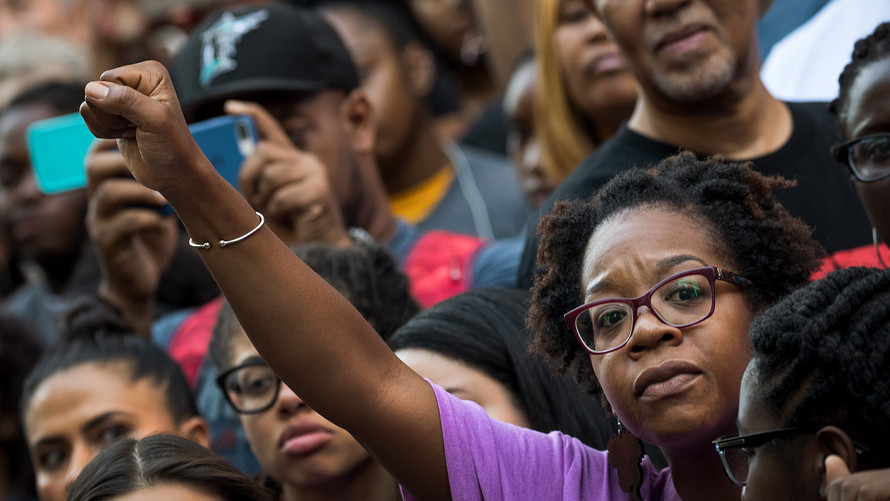
- Black Lives Matter protests saw Africans, Caribbeans, and African-Americans march side by side.
- In cities like New York, Atlanta, and Minneapolis, you’ll find shared churches, businesses, and community orgs.
- African-American students attend HBCUs alongside classmates from Nigeria, Kenya, Ghana, and beyond — and often discover more in common than expected.
- Celebrities like Lupita Nyong’o, Jidenna, Burna Boy, and Chimamanda Adichie are building bridges in art, music, and activism.
Together, they’re creating a new Black identity: proud of the past, united in the present, and ready for the future.
🤝 5. How We Can Build Together
Here are ways African immigrants and African-Americans can grow closer:
- Learn each other’s stories. Attend cultural events, read books, ask questions with respect.
- Support each other’s businesses and causes.
- Create platforms (like Afri.us!) that showcase both perspectives.
- Teach history with honesty — including slavery, colonialism, and resistance.
- Celebrate differences without comparison or competition.
Unity doesn’t mean sameness — it means shared power.
📣 Final Word: One People, Many Journeys
The African diaspora is vast. Some were taken. Some came by choice. But all carry the blood of kings, queens, warriors, builders, and dreamers.
The goal is not to erase our differences — but to honor them, and move forward together.
We’re not strangers. We’re a family healing from a long separation.

