


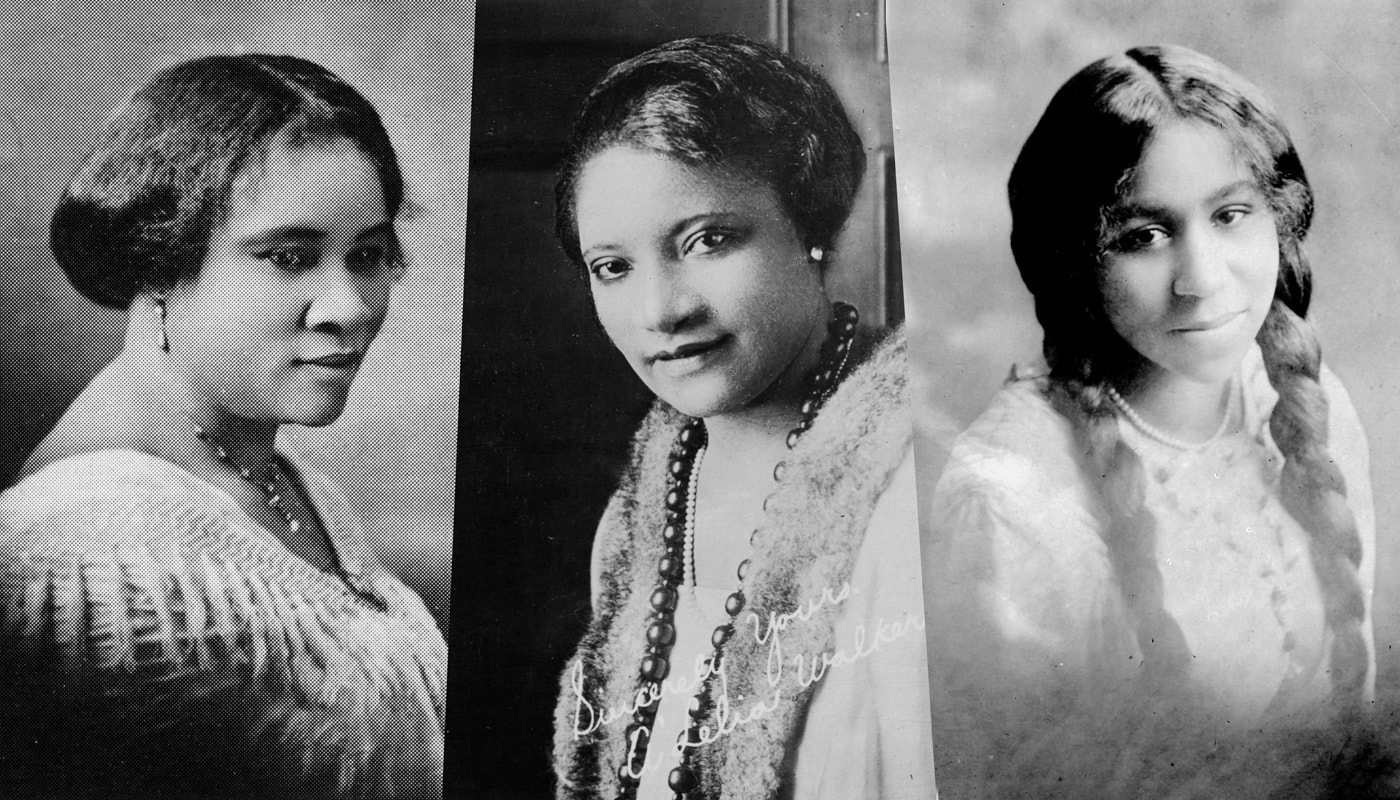
The journey of Black Americans from enslaved laborers to entrepreneurs, landowners, inventors, and investors is one of the most powerful — and underreported — stories in U.S. history.
Despite centuries of systemic exclusion, African-Americans have created pathways to wealth and legacy. Understanding this journey isn’t just about history — it’s about empowering future generations to build, protect, and multiply Black wealth.
⛓️ 1. Slavery: The Foundation of America’s Wealth — and Black Dispossession
From the 1600s to the 1800s, enslaved Africans generated massive profits for American agriculture, industry, and finance — but were legally barred from owning anything.
Slaves were:
- Bought, sold, and insured as property
- Denied wages, literacy, and inheritance
- The economic engine behind cotton, sugar, and tobacco empires
Yet they found ways to resist and build informal wealth — through community, knowledge-sharing, and spiritual resilience.
🌱 2. Emancipation and Reconstruction: First Steps Toward Ownership
After 1865, formerly enslaved people began:
- Acquiring land through labor, savings, and community pools
- Building towns (e.g., Mound Bayou, MS; Nicodemus, KS)
- Launching schools, churches, and cooperative businesses
But this progress was crushed by:
- The Black Codes and Jim Crow laws
- White violence (e.g., Wilmington 1898, Tulsa 1921)
- Redlining and denial of bank loans
Still, Black mutual aid societies, HBCUs, and churches became centers for economic strategy.
💼 3. Black Wall Streets: Rise and Ruin
The early 20th century saw the rise of thriving Black business hubs, most famously:
- Greenwood District, Tulsa (“Black Wall Street”): over 600 Black-owned businesses before it was destroyed by white mobs in 1921
- Sweet Auburn (Atlanta) and Jackson Ward (Richmond) also flourished with banks, theaters, and newspapers
These were centers of Black self-reliance — built from nothing, destroyed by racism, and still revered today.
🏡 4. The Racial Wealth Gap: How It Was Manufactured
Even after Civil Rights reforms, new systems kept Black wealth from growing:
- FHA loans denied to Black families
- Predatory lending and subprime mortgages
- Mass incarceration robbing families of earners
- Wage gaps and underfunded Black schools
As of 2025, the median white household wealth is 6–8x higher than Black households.
“The gap wasn’t created by accident — and it won’t disappear without intention.”
📈 5. Black Wealth Builders Who Changed the Game
- Madam C.J. Walker – First self-made Black woman millionaire
- A.G. Gaston – Birmingham businessman who owned a bank, funeral home, insurance company
- Reginald Lewis – Billionaire investor who acquired Beatrice Foods
- Robert F. Smith – Billionaire tech investor and philanthropist
- Rihanna & Jay-Z – From music to billion-dollar empires
These icons proved that ownership is power — and that wealth can be reclaimed through innovation.
🧠 6. Today’s Tools for Black Wealth Building
- Buy Black: Support Black-owned brands and businesses
- Invest early: Stocks, mutual funds, and crypto platforms
- Collective economics: Investment clubs, credit unions, community land trusts
- Financial education: Learn credit, budgeting, estate planning
- Entrepreneurship: Side hustles, e-commerce, tech startups
And don’t forget political power — because economic freedom is inseparable from policy and protection.
✊🏾 Final Word: Legacy Over Luxury
Being rich isn’t the goal. Being free is.
True Black wealth is about land, legacy, literacy, love, and liberation.
It’s about passing down more than debt — passing down choice, opportunity, and vision.
“From enslaved to empowered — we’re still building.”
— Afri.us

