


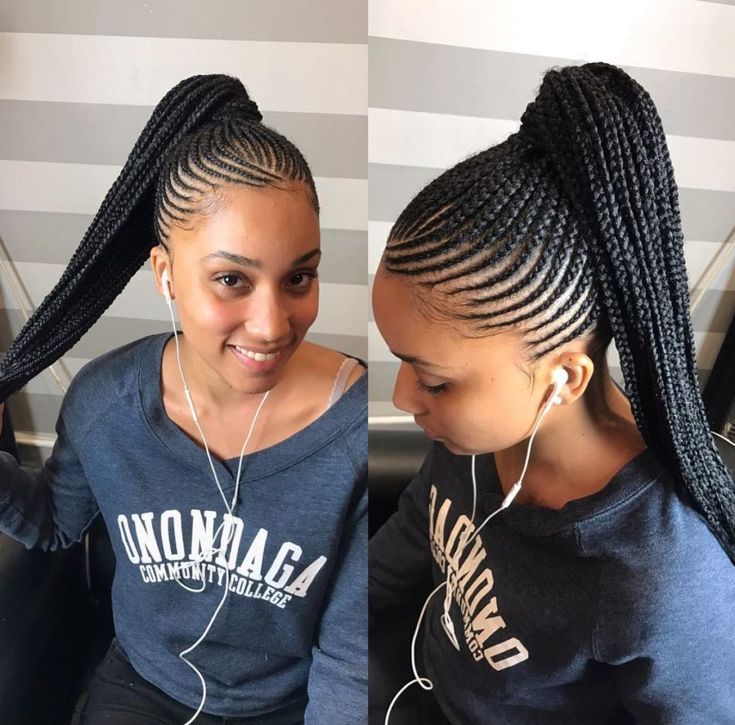
Hair is never just hair — especially in the Black world.
From ancient African styles to modern-day protective looks, Black hair is political, cultural, spiritual, and deeply personal. It has been criminalized and celebrated, copied and censored, twisted and crowned. And through it all, it has remained a powerful form of resistance and self-expression.
This is the story of Black hair — and how it has always been more than a style.
🗿 1. Ancient Africa: Hair Was Identity
Before colonization, hair was a marker of tribe, status, age, and spirituality. In West Africa:
- Cornrows were used to map identity — some even shaped like paths and rivers.
- Bantu knots, locs, and afros symbolized ancestry and spirituality.
- Hair was seen as a spiritual antenna — and was often styled by respected elders or specialists.
“In Africa, hair wasn’t vanity — it was language.”
⛓️ 2. Slavery & Erasure: From Crowns to Control
During slavery in the Americas:
- Hair was shaved or neglected to erase identity.
- Enslaved people used butter, kerosene, and bacon grease to manage hair under harsh conditions.
- Headwraps (tignons) became both oppression and protection — hiding hair from white gaze.
But even then, Black women braided rice seeds into their hair before escape. Hair carried survival.
💇🏾♀️ 3. The 1900s: Press, Straighten, Assimilate
- The rise of hot combs and chemical relaxers was tied to survival in white-dominated workplaces.
- Madam C.J. Walker became the first Black woman millionaire by creating haircare products for Black women.
- Eurocentric beauty standards dominated — “good hair” became a term used to divide.
Still, Black women carved out entrepreneurship and self-reliance through hair.
🖤 4. The 1960s–70s: The Afro as Protest
The Civil Rights and Black Power Movements brought the Afro as a symbol of:
- Rebellion against white beauty standards
- Unity among African-descended people
- Pride in natural features
Leaders like Angela Davis, The Jackson 5, and Kathleen Cleaver wore their hair as protest — and it was beautiful.
“Our hair is our heritage. Our crown is not yours to control.”
💆🏽♂️ 5. Braids, Locs & Black Style Renaissance
Through the 80s, 90s, and 2000s:
- Box braids, Senegalese twists, and Fulani styles exploded in pop culture.
- Locs were worn by everyone from Bob Marley to Lauryn Hill to Whoopi Goldberg — despite being labeled “dirty” or “unprofessional.”
- Black barbershops and salons became community institutions — safe spaces for culture, politics, and transformation.
🧑🏽⚖️ 6. The Battle for Hair Rights
Black hair has been criminalized across schools, jobs, and sports.
- Students have been suspended for wearing locs or afros.
- Black professionals have been told their hair is “too distracting.”
- Court cases have fought over whether natural hair discrimination is legal.
But now, change is happening:
- The CROWN Act (Creating a Respectful and Open World for Natural Hair) has been passed in multiple U.S. states to ban race-based hair discrimination.
- More schools and companies are rewriting policies to protect Black hair rights.
👑 7. Today: The Return of the Crown
In 2025, Black hair is bolder than ever:
- Natural hair movements have empowered millions to embrace curls, coils, and kinks.
- Black stylists, influencers, and haircare brands are thriving entrepreneurs.
- Afrofuturist styles — braids, beads, colors — are dominating runways and red carpets.
“My hair is not a trend. It is a timeline.”
✊🏿 Final Word: Hair Is Resistance. Hair Is Revolution.
Black hair tells a story of slavery and survival, shame and celebration, trauma and triumph.
It has been politicized because it is powerful.
It has been regulated because it is radical.
It has been copied because it is creative.
To love your hair is to love your history. To wear it proudly is to resist invisibility.

