


Black culture in the United States is a dynamic and multifaceted phenomenon, forged from the crucible of forced migration, systemic oppression, and an unyielding spirit of resilience. It represents the cultural expressions of African Americans, distinguishing itself from, yet profoundly influencing, mainstream American culture. Its origins are deeply rooted in the forced transportation of Africans to North America during the 16th and 17th centuries, an event that initiated a unique process of cultural synthesis.
The foundation of this culture lies in the amalgamation of diverse African countries, cultures, tribes, and religions, which were broken down and then rebuilt upon shared experiences in the North American continent during the transatlantic slave trade. Despite deliberate attempts by enslavers to strip individuals of their African heritage, the physical isolation and societal marginalization of enslaved Africans and their descendants inadvertently facilitated the retention of significant traditional cultural elements. This historical context underscores a profound and enduring legacy of resilience and adaptation, where cultural practices became vital tools for survival, community building, and identity formation amidst relentless adversity. The continuous negotiation between ancestral traditions and the realities of American life has resulted in a rich cultural tapestry that is both distinctively African American and fundamentally American.
The development of Black culture is not merely a narrative of survival but a testament to creative ingenuity. From the earliest days of slavery, African Americans adapted their ancestral traditions in crafts, music, and language, blending them with available resources and influences from European and Native American cultures. This process, known as creolization, highlights a complex interplay where distinct African identities were not erased but transformed into a new, common culture. The resulting cultural expressions, such as spirituals, served as crucial vehicles for articulating hardship, hope, and resistance, preserving heritage while navigating American experiences. This ongoing process of cultural creation and re-creation demonstrates the complex tapestry of identity formation within the African American community, continuously shaped by historical forces, communal bonds, and individual agency.
Historical Foundations of Black Culture
The historical trajectory of Black culture in the United States is inextricably linked to the transatlantic slave trade and the subsequent struggles for freedom and equality. This journey began with the forced transportation of Africans, marking the genesis of African American history and the formation of a new cultural identity.
Forced Migration and Initial Cultural Synthesis
The European colonization of the Americas in the 16th and 17th centuries precipitated the large-scale transportation of enslaved Africans across the Atlantic. These individuals came from a multitude of countries, cultures, tribes, and religions, each with their own distinct traditions. Upon arrival, enslavers imposed European standards and beliefs, actively attempting to suppress African cultural practices. However, the very conditions of enslavement—including physical isolation and societal marginalization—paradoxically enabled the retention of significant elements of traditional African culture. This period witnessed a unique cultural forging amidst systematic attempts at erasure. The diverse African peoples, stripped of their tribal differences, were compelled to create a new common culture, a creolization of their original traditions and European influences. This process was not a simple loss of heritage but a complex adaptation and integration, demonstrating an inherent human capacity for cultural adaptation and synthesis even under extreme duress. For example, various African traditions provided a foundation for the spiritual practices of enslaved individuals, who blended ancestral beliefs with Christianity to create unique forms of worship, a cultural resilience evident in slave rebellions that fostered community and shared identity.
Post-Emancipation and Reconstruction Era
Following the Union victory in the Civil War, the Emancipation Proclamation and subsequent legislative acts marked a brief but significant period of progress for Black Americans. The Civil Rights Act of 1866 granted Black people full U.S. citizenship, a status further solidified by the 14th Amendment in 1868, which also extended citizenship rights. The 15th Amendment, ratified in 1870, extended voting rights to Black males. During Reconstruction (1865-1877), under the protection of Union troops, notable strides were made toward equal rights. Black men began to vote and were elected to various offices, including the U.S. Congress and local positions like sheriff. Hiram Revels became the first African-American senator in 1870, followed by others from Southern states, who supported Republican efforts to improve the lives of African Americans. This era saw the establishment of the first public school systems in most Southern states, albeit with funding challenges. Black people also established their own churches, towns, and businesses, with tens of thousands migrating to Mississippi to own land, leading to two-thirds of land-owning farmers in the Mississippi Delta bottomlands being Black by the end of the 19th century. This period marked the emergence of self-determination and community building, as formerly enslaved individuals actively took control of their educational, religious, economic, and social lives, laying the groundwork for independent Black institutions and fostering a sense of collective agency.
The Nadir of Race Relations and Early Civil Rights Efforts
The progress of Reconstruction was tragically short-lived. White Southerners frequently terrorized Black voters, and the safety provided by Union troops did not endure. This period, often referred to as the nadir of American race relations, saw the rise of harsh segregationist laws, epitomized by Jim Crow, and widespread discrimination against African Americans. Despite these renewed challenges, the legacy of resilience persisted. Efforts to overturn discrimination and racism coalesced into a broad, unified Civil Rights Movement in 1954, led by figures such as Rosa Parks and Martin Luther King Jr.. This era demonstrated the catalytic role of adversity in mobilizing collective action, as the ongoing struggle for freedom and equality spurred the preservation and development of African and African American culture, which became intrinsically linked to the fight for civil rights.
Impact of Systemic Oppression and Intergenerational Trauma
The historical experience of slavery and subsequent systemic racism has left deep and persistent wounds on Black culture, manifesting as intergenerational trauma and ongoing societal inequalities.
Slavery’s Enduring Psychological and Social Scars
Centuries of chattel slavery, predicated on the belief that African Americans were inherently inferior, inflicted profound psychological and emotional injuries that continue to affect generations. Research indicates that African Americans today carry a psychological burden from the suffering of enslavement and continued inequality, leading to clinical manifestations of intergenerational trauma. This trauma is perpetuated by structural racism, which normalizes and legitimizes dynamics that consistently disadvantage people of color through historical, cultural, institutional, and interpersonal means. Evidence of this persistent inequality includes disproportionate incarceration rates, educational and health disparities, and housing inequalities. Mental health inequities, in particular, trace back to colonialism and slavery, when racist myths were integrated into the developing fields of psychiatry and psychology. The concept of Post Traumatic Slave Syndrome (PTSS) explains adaptive survival behaviors in African American communities as a consequence of multigenerational oppression, highlighting issues such as vacant esteem (feelings of worthlessness), marked propensity for anger and violence, and internalized racism (idealization of white norms). These deep and persistent wounds of historical oppression underscore the profound and lasting impact of slavery on the collective well-being of African Americans.
Adaptive Survival Strategies
Despite the immense suffering, enslaved Africans and their descendants developed remarkable adaptive survival strategies that transformed adversity into cultural innovation. For instance, when forbidden from partaking in their traditional spiritual practices, enslaved African Americans created their own versions of church, blending ancestral beliefs with Christianity. These unique practices, characterized by dance, shouts, African rhythms, and enthusiastic singing, remain apparent in the African American church today. Similarly, the culinary traditions, particularly “soul food,” emerged from necessity and resourcefulness. Enslaved Africans were often given the worst parts of animals and meager rations, but they ingeniously created delicious and wholesome meals from these scraps, a practice that still informs African American cuisine. This transformation of necessity into creativity is a hallmark of Black culture, where limited resources spurred innovative culinary techniques and dishes like gumbo and hot water cornbread, demonstrating how cultural distinctiveness can be forged even under the most constrained conditions. This adaptive ingenuity highlights the transformative power of necessity and creativity, where cultural practices became essential for both physical sustenance and the preservation of identity and community.
Major Cultural Movements and Their Evolution
Black culture in the United States has been profoundly shaped by significant social and artistic movements, each reflecting and influencing the broader African American experience.
The Great Migration (1910-1970)
The Great Migration, a massive demographic shift between 1910 and 1970, saw over seven million African Americans relocate from the rural South to urban centers in the North and West. This exodus was driven by a combination of “push” factors, such as unsatisfactory economic opportunities and harsh segregationist Jim Crow laws in the South, and “pull” factors, including the demand for industrial workers during World War I and the promise of greater freedom and higher wages in Northern cities. Factory wages in the urban North were typically three times higher than what Black people could earn in the rural South. Black newspapers, notably the
Chicago Defender, played a crucial role in disseminating information about opportunities in the North and West.
The influx of Black migrants led to significant population growth in major Northern cities, with New York City, Chicago, Philadelphia, and Detroit experiencing substantial increases in their Black populations between 1910 and 1920. While many found jobs in factories, they also faced arduous working conditions, competition for employment and housing, and widespread racism and prejudice, even though segregation was not legalized as in the South. Restrictive covenants, though later declared unconstitutional, limited housing options, leading many Black residents to create their own “cities within big cities”. The most prominent example was Harlem in New York City, which transformed into a vibrant Black neighborhood housing some 200,000 Black people by the 1920s. This urbanization served as a catalyst for cultural and political transformation, fostering the growth of a new, urban Black culture that would exert enormous influence in the decades to come. The Great Migration also ignited a new era of political activism among Black Americans, who, having been disenfranchised in the South, found new avenues for public life in Northern and Western cities, directly benefiting the burgeoning Civil Rights Movement.
The Harlem Renaissance (1920s-1930s)
The Harlem Renaissance, often referred to as the “New Negro Movement,” was a period of rich cross-disciplinary artistic and cultural activity among African Americans, flourishing between the end of World War I (1917) and the onset of the Great Depression in the 1930s. Centered in Harlem, New York City, this movement was significantly engendered by the Great Migration, as artists and intellectuals gathered in urban centers, experiencing a newfound freedom of expression. It was a time when African American music, literature, and art gained wide notice, asserting pride in Black life and identity and raising consciousness about inequality and discrimination.
Literary figures like Zora Neale Hurston, Nella Larsen, Langston Hughes, Claude McKay, and Countee Cullen wrote works vividly describing the African American experience. Hughes, in particular, utilized jazz and blues rhythms in his poetry, capturing the essence of the African American experience and playing a significant role in shaping the artistic and cultural identity of the movement. Musically, jazz, swing, and blues forms entered American popular music, demonstrating the burgeoning influence of Black artists. Visual artists such as William H. Johnson, Aaron Douglas, and Palmer Hayden created unique works featuring African Americans, often drawing inspiration from West African art and Egyptian sculptural reliefs, linking to their African heritage. The Harlem Renaissance also spurred increased political involvement, with the founding of organizations like the Universal Negro Improvement Association and the National Association for the Advancement of Colored People (NAACP). This period exemplified art as a powerful vehicle for self-definition and recognition, laying critical groundwork for subsequent social and cultural movements, including the Civil Rights Movement and the Black Arts Movement.
The Civil Rights Movement (1950s-1960s)
The Civil Rights Movement, a broad and unified effort that coalesced in 1954, successfully challenged legal segregation and discrimination against African Americans. Beyond its legal victories, the movement instigated a profound cultural shift that transformed American music, fashion, and overall culture. Religious and spiritual life, which had deeply influenced African American cultural expression before the movement, continued to play a central role, providing a foundation of resilience and advocacy.
Music became a powerful medium for expressing Black identity and advocating for change. Folk, blues, and gospel singers created harmonies and beats that propelled the march for racial equality forward. Songs like Nina Simone’s “Young, Gifted and Black” and The Impressions’ “Keep On Pushing” shaped and reflected the growing racial and political consciousness of the era. The movement’s influence also extended to fashion. While activists initially dressed in formal church attire, as the movement gained momentum in the mid-1960s, the dress of both white and Black activists evolved. Dashikis, afros, black leather jackets, berets, blue jeans, and loose flowing shirts became symbolic of the 1960s, representing a transformative period for human and racial equality. This demonstrates the intertwined nature of social justice and cultural expression, where cultural forms not only reflected but also actively propelled the struggle for civil rights, becoming a visible manifestation of collective identity and aspiration.
The Black Power Movement and Black Arts Movement (1960s-1970s)
Emerging in the wake of the non-violent Civil Rights Movement, the Black Power Movement of the 1960s and 1970s promoted racial pride and ethnic cohesion, adopting a more militant posture against racism. This ideological shift found its “aesthetic and spiritual sister” in the Black Arts Movement (BAM), an African-American-led art movement that created new cultural institutions and conveyed a powerful message of Black pride. BAM expanded upon the accomplishments of the Harlem Renaissance, but with a distinct focus on political engagement and cultural self-determination.
Amiri Baraka, widely recognized as BAM’s founder, established the Black Arts Repertory Theatre School (BART/S) in Harlem in 1965, inspiring the creation of numerous Black arts organizations across the United States. Unlike the Harlem Renaissance, a key legacy of BAM was the principle that cultural expressions should overtly serve political movements, including struggles for decolonization globally and the decolonization of the African American mind. BAM fostered a redefinition and reclaiming of Black political liberation, Black Power, Black aesthetics, and the ownership of Black culture by Black men and women. Artists found new inspiration in their African heritage to present the Black experience in America, pioneering a distinct modernist aesthetic that influenced 20th-century African American art. The
Wall of Respect mural in Chicago (1967) became a renowned symbol, celebrating Black figures and fostering community pride. Poetry, often performed in dynamic vernacular, gained mass appeal and was used in organizing work, with self-publication becoming common. BAM is also recognized as the origin of the hip-hop cultural movement and a catalyst for cultural movements among other marginalized communities. This period marked a significant shift from integration to self-determination, emphasizing a Black-defined culture that rejected white, European, or elite definitions, and asserting the right to self-expression and cultural ownership.
Pillars of Black Cultural Expression
Black culture in the United States is characterized by a rich array of expressive forms that have served as vital conduits for identity, community, and resistance.
Music
African American music is a cornerstone of American culture, with its roots deeply embedded in the polyrhythmic music of African ethnic groups, particularly from Western, Sahelean, and Central and Southern regions. This rich heritage, carried by enslaved Africans, formed the foundation of a new American musical culture that blended African traditions with European and Native American influences. African oral traditions, nurtured during slavery, encouraged the use of music to transmit history, teach lessons, alleviate suffering, and relay messages. Early expressions included work songs and spirituals, which encoded messages of escape and freedom, later evolving into gospel music after conversion to Christianity.
The late 19th century saw the emergence of new forms like ragtime, sacred music, and the blues, which originated in the Mississippi Delta in the 1890s as a means for free Black individuals to express their disappointment in post-slavery society. These genres laid the groundwork for the improvisational style of jazz, which emerged in the early 20th century and gained wide notice during the Harlem Renaissance, with figures like Louis Armstrong and Duke Ellington becoming international stars. The Civil Rights Movement further utilized music as a central tool for activism, with songs like “We Shall Overcome” becoming anthems.
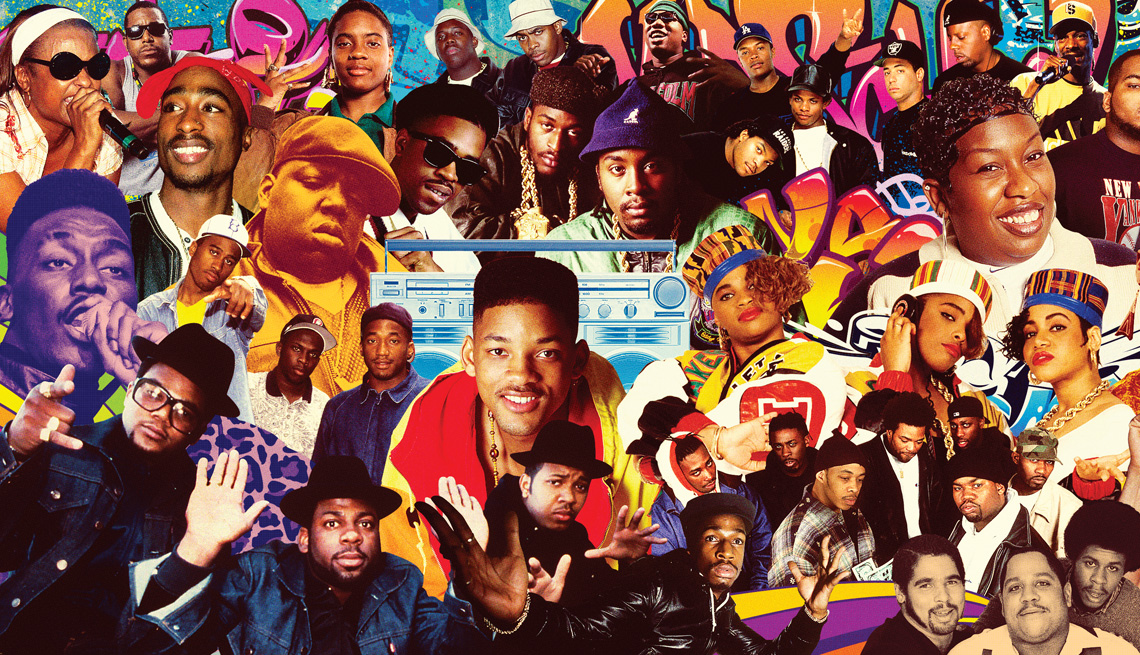
The pervasive influence of African American music on American and global music is undeniable; indeed, it is often asserted that there would be no American music without it. Common elements like call-and-response, syncopation, percussion, improvisation, and blue notes, all rooted in African techniques, became the “lingua franca” of American music. Contemporary African American music, including funk, soul, disco, and hip-hop, has achieved unprecedented mainstream acceptance and global influence. Hip-hop, originating in the inner cities in the early 1970s as competitive recreation, has become a global commodity, with artists like Tupac Shakur and Kendrick Lamar using their music to narrate Black experiences and challenge systemic racism. The global popularity of genres like hip-hop and R&B has contributed to the development of new cultural forms worldwide, with many artists drawing on African American traditions. This global reach underscores music as the universal language of Black experience, transcending geographical and cultural boundaries.
Literature
African American literature is a powerful chronicle of identity, resistance, and human experience, evolving from oral traditions to a diverse body of written works that challenge injustice and celebrate Black life. The oral traditions of enslaved Africans, including storytelling and fables, were primary means of preserving history and imparting lessons, influencing early writers.
The 18th century saw the emergence of pioneering figures like Phillis Wheatley, the first African American to publish a book of poetry (Poems on Various Subjects, Religious and Moral, 1773), and Jupiter Hammon, who published “An Evening Thought: Salvation by Christ with Penitential Cries” in 1761. The 19th century was marked by influential abolitionist writings, particularly slave narratives by figures like Frederick Douglass (
Narrative of the Life of Frederick Douglass, an American Slave, 1845) and Harriet Jacobs (Incidents in the Life of a Slave Girl, 1861), which exposed the brutalities of slavery and affirmed the humanity of enslaved people. William Wells Brown’s
Clotel; or, The President’s Daughter (1853) is considered the first novel by an African American, while Harriet Wilson’s Our Nig (1859) was the first novel published in the U.S. by an African American woman. Post-Civil War, authors like W. E. B. Du Bois and Booker T. Washington debated approaches to confronting racism.
The Harlem Renaissance (1920s-1930s) marked a flourishing period, with authors such as Langston Hughes, Zora Neale Hurston (Their Eyes Were Watching God), and Nella Larsen writing works describing the African American experience, bringing Black literature into wider notice. The Civil Rights Movement era (1940s-1960s) saw writers like Richard Wright (
Native Son) and James Baldwin (Go Tell It on the Mountain) address racial segregation and identity. Ralph Ellison’s
Invisible Man (1952) became a classic of American literature.
In recent history (1970s-present), African American literature gained mainstream acceptance, with Toni Morrison becoming the first African American woman to win the Nobel Prize in Literature (1993) for works like Beloved, which explores the traumatic legacy of slavery. Alice Walker (
The Color Purple) and Alex Haley (Roots) also achieved best-selling and award-winning status. Contemporary authors continue to explore themes of race, trauma, and the ongoing impact of history, blending reality with imaginative storytelling. The internet and platforms like Oprah Winfrey’s Book Club have further broadened the audience for African American writers. This demonstrates how literature serves as a vital chronicle, reflecting and shaping the Black experience across centuries.
Visual Arts
African American visual arts have consistently served as a medium for cultural affirmation and social commentary, evolving from early crafts to diverse modern and contemporary forms. The origins can be traced to early slave community crafts, such as small drums, quilts, wrought-iron figures, and ceramic vessels, which showed similarities to West and Central African traditions. The women of Gee’s Bend, for instance, developed a distinctive quilting style. Colonoware pottery, created by African Americans and Native Americans from the colonial era, likely originated in West and Central Africa around 2000 BCE and served as enduring “Africanisms”. Symbolisms like the “X” or a slash, and Landrum crosses (similar to Kongo cosmograms), may have been identity markers for enslaved stoneware creators.
While early African American artists like Joshua Johnson and Robert Seldon Duncanson emerged in the 19th century, broader recognition was limited by racial prejudice, leading some to seek opportunities in Europe. The Harlem Renaissance (1920s-1930s) marked a significant turning point, bringing increased attention to African American artists like William H. Johnson, Aaron Douglas, and Palmer Hayden. These artists created unique works featuring African Americans, often drawing inspiration from West Africa and Egyptian antiquity, connecting to their heritage. The Great Depression and organizations like the Harmon Foundation further fostered talent, leading to figures like Augusta Savage and Jacob Lawrence gaining recognition.
The Black Arts Movement (1960s-1970s) further propelled artists like Lou Stovall and Jeff Donaldson, emphasizing a distinct modernist aesthetic and promoting Black pride. The
Wall of Respect in Chicago (1967) became a powerful symbol, celebrating Black figures and inspiring over 1,500 murals in Black neighborhoods nationwide. This movement encouraged the production and reception of Black arts by Black people, critiquing Western aesthetics and drawing inspiration from African heritage. Contemporary artists such as Romare Bearden, Kerry James Marshall, Charles White, Gordon Parks, Alma Thomas, Kara Walker, and Martin Puryear continue to make notable contributions, exploring themes of identity, race, and social justice. The evolution of African American visual arts demonstrates its role as a powerful medium for cultural affirmation, social commentary, and a continuous assertion of Black identity.
Performing Arts (Theater & Dance)
The performing arts in Black culture have historically served as a dynamic space for resistance, community building, and identity expression, adapting African traditions in the face of oppression. The origins of Black theater and dance in America can be traced back to the slave trade and the continuation of African performance traditions, including oral storytelling, improvisation, songs, and dances like the “get down” and “ring shout”. In the early years of slavery, performances were largely private, held on plantations or in owners’ homes.
The first Black characters on American stages were, paradoxically, white people in “blackface” makeup, performing as comic relief and perpetuating racist caricatures. This minstrelsy, though demeaning, became America’s first national art form. Despite this, Black performers eventually participated, and figures like Bert Williams and George Walker, who formed the Williams and Walker Co., challenged these conventions. The early 20th century saw the emergence of all-Black Broadway productions like
Clorindy (1898) and In Dahomey (1903), which was the first all-Black musical comedy to play in a major Broadway theater. Ernest Hogan became the first African American to produce and star in a Broadway show,
The Oyster Man (1907), which popularized ragtime.
The Harlem Renaissance fostered numerous experimental theater groups, with Broadway presenting Three Plays for a Negro Theatre (1917), the first Broadway play with an all-Black cast. The musical
Shuffle Along (1921) was a huge Broadway success, introducing Paul Robeson. The Federal Theatre Project (1935) supported racial integration and led to the opening of the American Negro Theater (ANT), which produced 19 plays in nine years. Post-World War II, Black theater adopted a more progressive stance, with plays like Lorraine Hansberry’s
A Raisin in the Sun (1959) commenting on identity in a racist culture.
The 1960s and 1970s saw the Off-Broadway movement become a home for experimental and controversial plays reflecting the Black rights movement. Amiri Baraka, a key figure in the Black Arts Movement, established the Black Arts Repertory Theater, advocating for a strong Black aesthetic. Playwrights like Ed Bullins explored racial and political tensions. Black musicals returned to Broadway with hits like
The Wiz (1975). In the late 20th century, August Wilson’s Pulitzer-winning plays, such as
Fences (1987) and The Piano Lesson (1990), chronicled Black lives across decades, leading to the Virginia Theatre being renamed the August Wilson Theatre. Contemporary Black stories are now featured on Broadway, with Black playwrights, directors, and actors transforming stereotypes and humanizing Black experiences. Dance, a natural outlet for Black people whose voices were often silenced, continues to be stress-relieving, communal, healing, and joyful, with Black dancers telling stories of the past through movement.
Culinary Traditions (Soul Food)
African American culinary traditions, particularly “soul food,” are a profound symbol of resilience, ingenuity, and cultural memory, born from struggle and survival during slavery. This cuisine is deeply ingrained in the American cultural profile, especially in the South, and is a cornerstone of much of Southern and other U.S. cuisines. Soul food originated in the American South during the Antebellum period, blending cooking techniques from West and Central Africa, Western Europe, and Indigenous North American cuisines.
Enslaved Africans, despite being given meager, low-quality food rations, preserved their African food traditions and adapted traditional recipes with available resources. This involved using scraps, leftovers, and ingredients often deemed “less than,” setting a standard for creating delicious and wholesome meals from very little. For example, enslaved Africans were given the worst parts of animals, but their resourcefulness led to dishes that still inform African American cuisine today.
Key ingredients and dishes trace direct links to Africa. The cultivation and use of agricultural products like yams, peanuts, rice, okra, sorghum, indigo dyes, and cotton in the United States can be traced to African influences. Okra, likely originating from Ethiopia, made its way to the Americas via slave ships and is a cornerstone of Southern cooking. Gumbo, a renowned New Orleans dish, is thickened with okra and is a version of a Senegalese stew. One-pot rice recipes like jambalaya bear clear similarities to West African Jollof rice, while Hoppin’ John resembles Ghana’s waakye and Senegal’s thiebou niebe. Boiled greens, a soul food staple, are rooted in African cooking traditions like Ethiopia’s gomen wat and Ghana’s kontomire stew. The practice of soaking up “potlikker” (the juices left from cooking greens) with cornbread is reminiscent of African traditions of dipping starch into vegetable and meat-based gravies.
The term “Soul Food” originated in the 1960s and 1970s during the Black Power Movement, becoming a cultural point that tied African Americans back to the South after the Great Migration, often serving as a source of nostalgia. Soul food restaurants, mostly Black-owned, also served as important meeting places and cultural hubs during revolutionary movements. Because reading and writing were illegal during slavery, recipes and techniques were passed down orally through families until emancipation. The first recorded soul food cookbook, Abby Fisher’s
What Mrs. Fisher Knows About Old Southern Cooking, was published in 1881. While soul food is celebrated for its flavor and cultural significance, its historical adaptations, often involving high amounts of fat, salt, and carbohydrates, have contributed to health disparities in economically disadvantaged African Americans. This highlights how food is not just sustenance but a powerful repository of cultural heritage, reflecting both the hardships endured and the enduring creativity of a people.
Family Structures and Community Institutions
The African American family structure, deeply shaped by historical, cultural, and economic factors, has consistently emphasized strong kinship ties and networks of support, serving as the bedrock of Black survival and progress. Family life among Black people in the United States has its roots in Africa, with distinctive features like the importance of the extended family, communalism, the significant role of the grandmother, and collective responsibility for child care. Despite the antithetical nature of slavery to viable family life, Black families maintained patterns that often diverged from dominant European norms.
Slavery frequently disrupted traditional family units through forced separation, but African Americans formed strong kinship networks that provided essential emotional and material support, extending beyond immediate family to include distant relatives and close friends. This communal approach was crucial for resilience and identity. After emancipation, the newfound freedom enabled families to reunite and pursue new structures based on marriage and legal rights, fostering more traditional nuclear arrangements alongside new mutual support organizations. Family reunions remain an important ritual, maintaining cultural heritage through turbulent times, emphasizing the role of elders as historians, the importance of food (especially passed-down recipes), and music that bridges generational gaps.
Beyond family, independent institutions became vital infrastructure for African American communities and refuges from white oppression. The Black Church, in particular, has been the longstanding institutional backbone of the African American community, embodying a collectivistic culture. It provided a safe space for spiritual practice but was also a center for education, civil rights struggle, social activism, respite from racial oppression, entertainment, and artistic expression. Churches organized social services, educational programs for children and adults, and leisure activities for families excluded from segregated white-only spaces. The Black Church has also been a crucial partner for public health agencies, facilitating community engagement and culturally relevant health interventions.
Mutual aid societies and fraternal associations also played a significant role. Organizations like the Grand United Order of Odd Fellows (established 1843) and Prince Hall Freemasonry (first lodge in 1784) provided financial and emotional support, especially after the Civil War when their numbers rapidly grew among newly freed men seeking to support one another. Burial societies, for example, allowed members to pool dues to cover funeral expenses, demonstrating self-help strategies in the face of financial challenges. These community-based networks fostered racial consciousness, pride, self-help, and self-determination, building powerful organizations that would later be utilized for profound social change.
Language and Communication
Language in Black culture serves as a powerful marker of identity and a tool for cultural preservation, reflecting a unique linguistic evolution shaped by historical circumstances. African-based oral traditions became the primary means of preserving history, mores, and other cultural information among enslaved people, consistent with the griot practices of oral history in many native African cultures. This emphasis on oral tradition facilitated the passing down of folktales, which provided inspiration and education.
African American Vernacular English (AAVE), also known as Ebonics, is a distinct variety of American English with roots in West and Central African languages, shaped by the involuntary arrival of Africans in the U.S. and prolonged segregation. Despite historical attempts to suppress African languages, enslaved Africans created new linguistic patterns by filtering English through their own systems, leading to a unique dialect. Linguists recognize AAVE for its logical structure and African origins, noting its significant influence on mainstream American English through music, literature, and media.
Key phonological features of AAVE include non-rhoticity (dropping the ‘r’ sound at the end of syllables), the metathetic use of “aks” instead of “ask,” simplification of diphthongs, and a wider range of intonation patterns. Grammatically, AAVE often exhibits features such as the invariant “be” (e.g., “We be cold all the time” for habitual actions), copula deletion (e.g., “We cold right now”), and the absence of the third-person singular “-s” (e.g., “He think he look cool”). Multiple negation is also common (e.g., “I ain’t step on no line”). Many AAVE speakers code-switch between AAVE and Standard American English depending on the setting, demonstrating linguistic adaptability.
Beyond formal language, African American communication styles include distinct non-verbal cues and gestures. These movements express liberation, creativity, improvisation, and self-determination, conveying thoughts and feelings without words. The “dap,” for instance, has for generations expressed unity, strength, defiance, or resistance, evolving into the Black Power handshake and influencing mainstream gestures like the “high-five” and “fist bump”. Other specific greetings, often among males, include the “up nod” (acknowledging presence) and “the grip” (signaling close connection). Loud, fast, and expressive speech is also common in African American communication, reflecting cultural norms around tone, volume, and speed. These linguistic and non-verbal elements collectively highlight how language serves as a dynamic and evolving marker of identity and a powerful tool for cultural expression and preservation within the Black community.
Religion and Spirituality
Religion and spirituality have profoundly shaped African American culture, serving as a vital source of strength, community, and a foundation for social justice. The historical development of Black religious practices reflects a remarkable synthesis of diverse African polytheistic and Muslim traditions with Christianity in America.
Before the Civil Rights Movement, religious and spiritual life dominated many aspects of African American culture, deeply influencing cultural expression. Enslaved Africans integrated traditional African religious practices, such as dance, shouts, African rhythms, and enthusiastic singing, into Christian worship during secret meetings. These practices remain a significant part of worship in the African American church today. The “ring shout” of early Black Christian worship is considered a development of African ecstatic dance traditions, and the “call-and-response” rhythm in Black preaching, hymnody, and gospel music has roots in West African song styles. This blending of ancestral beliefs with Christianity created unique forms of worship that fostered a sense of community and shared identity.
While the majority of African Americans are evangelical Christians, there is an astonishing diversity of religious beliefs and practices. Islam thrived in West Africa before the slave trade, and many first-generation enslaved individuals retained their Muslim identity, although their descendants often converted to Christianity. Today, most African American Muslims are orthodox Sunni Muslims, and Judaism is practiced by some, including groups like the Black Hebrew Israelites. Syncretic traditions like Hoodoo, a set of spiritual traditions, blend beliefs from traditional African religions (such as Kongo religion) with Islam, Christianity, and Indigenous American botanical traditions, serving as a means for enslaved Africans to understand their new world.
The Black Church, formed during slavery, became a central institution, teaching equality and providing leadership opportunities denied by mainstream society. It has been a locus of hope, spiritual guidance, and social support, spearheading advocacy efforts for political and social justice. The Black Church’s role extends to social services, education, and even public health interventions, demonstrating its comprehensive impact on community well-being. This enduring spiritual foundation underscores how faith and communal worship have provided strength, resilience, and a powerful platform for collective action throughout African American history.
Enduring Values and Contemporary Impact
Black culture in the United States is characterized by a set of core values forged in adversity, which continue to shape its contemporary expressions and exert a pervasive influence on American and global society.
Core Values
The enduring values of African American culture are deeply ingrained in its historical experience of struggle and triumph. These include perseverance, determination, and grit, exemplified by figures like Frederick Douglass and sculptor Augusta Savage, who navigated immense challenges to achieve their goals. Leadership and courage are central, embodied by leaders such as Martin Luther King Jr. and Arthur Ashe, who spearheaded movements for social change. Teamwork and collaboration are also fundamental, reflecting the communal spirit necessary for survival and progress, seen in family reunions and community organizations. Responsibility and commitment highlight dedication to community and cause, as demonstrated by figures like John Lewis. Optimism and hope, often expressed through spirituals and cultural narratives, provided solace and motivation in the face of oppression. Finally, compassion, love, passion, and pride are integral to Black identity, fostering strong communal bonds and a deep appreciation for heritage. These values, forged in adversity, serve as cornerstones of identity, guiding collective action and individual expression.
Impact on Mainstream American Society
The influence of Black culture on mainstream American society is pervasive and often unacknowledged, extending across music, fashion, media, sports, and language. African American musical forms are so fundamental that American music would not exist without them; their work songs, dance tunes, and religious music became the “lingua franca” of American music, influencing all racial and ethnic backgrounds. Genres like jazz, blues, R&B, rock-n-roll, and hip-hop, all rooted in African rhythms, have profoundly shaped the American soundscape.
In fashion, elements like hoop earrings, gold chains, bucket hats, sneaker culture, and oversized clothing trace their origins to African and Caribbean heritage and the predominantly Black hip-hop community, becoming widely adopted trends. The rise of Black fashion allowed Afrodescendant people to regain self-identity and expression, highlighting a distinct aesthetic that has led to collaborations and new aesthetics for brands.
Black influence is also prominent in mainstream media. The amount of African-American-themed TV content and programs with Black lead actors has increased, with figures like Viola Davis and Taraji P. Henson making history in primetime television. Oprah Winfrey is recognized as the most influential media personality, and Will Smith is a widely recognized actor. Black media outlets, from historical newspapers like the
Chicago Defender to contemporary online platforms, have played a crucial role in Black recognition and facilitating social change.
In sports, African Americans have achieved disproportionate success, constituting the majority of NFL and NBA athletes, and played a significant role in desegregating American society, as exemplified by Jackie Robinson. Sports have also offered a pathway out of economic struggle for many.
Linguistically, African American Vernacular English (AAVE) has significantly influenced mainstream American English through music, literature, and media. Aspects of African American oral tradition, such as “the dozens,” signifying, trash talk, rhyming, and wordplay, have found their way into mainstream American popular culture. This pervasive and often unacknowledged influence demonstrates the immense creative power and universal appeal of Black culture, which has fundamentally shaped the American identity.
Global Influence
The impact of African American culture extends far beyond U.S. borders, demonstrating a remarkable global reach of Black cultural innovation. African American music, particularly hip-hop and R&B, has achieved global popularity, contributing to the development of new cultural forms and inspiring artists worldwide. The musical innovations of African Americans have influenced artists in almost every corner of the world, creating enthusiastic international audiences for Black musicians. This global resonance underscores how Black culture, born from specific American historical circumstances, possesses a universal appeal that transcends geographical and cultural boundaries.
Social Movements and Cultural Identity
Social movements have consistently served as powerful drivers of cultural reclamation and affirmation within the Black community. The Civil Rights Movement laid the groundwork for significant cultural shifts, inspiring expressions of racial and political consciousness through music, poetry, and fine arts. The Black Power Movement of the 1960s and 1970s, promoting racial pride and ethnic cohesion, directly inspired the Black Arts Movement (BAM). BAM, described as the “aesthetic and spiritual sister of Black Power,” created new cultural institutions and fostered a message of Black pride, encouraging artists to find inspiration in their African heritage. This period saw a redefinition and reclaiming of Black political liberation, Black Power, and Black aesthetics, asserting the ownership of Black culture by Black men and women.
A pivotal concept emerging from this era was “Black is Beautiful,” a phrase that called for a broad embrace of Black culture and identity, emphasizing the appreciation of the Black past as a worthy legacy and inspiring cultural pride in contemporary Black achievements. This philosophy focused on emotional and psychological well-being, affirming natural hairstyles like the “Afro” and celebrating the diversity of skin colors, hair textures, and physical characteristics within the African American community. Adopting styles connected to African heritage, such as the Afro, and using grooming tools like an Afro pick customized with a black fist, became powerful ways to assert political and cultural allegiance to the Black Power movement.
This cultural revolution also manifested in arts and scholarship, with Black writers supporting a Black cultural revolution and scholars urging reconnection with the African continent, leading some to study Swahili. The “Black Aesthetic” called for Black artists to create and evaluate works based on criteria relevant to Black life and culture, advocating for aesthetics that reflected African heritage rather than European dogma. This movement influenced popular entertainment, leading to demands for more roles and realistic images of Black lives in mainstream and Black media, as seen in groundbreaking television series like Alex Haley’s
Roots.
In the 21st century, social media has become a powerful platform for cultural expression and activism. The #BlackTwitter phenomenon, driven by influential users, consistently drives global trending topics and cultural conversations, demonstrating Black culture’s continued impact on civic change. The #BlackLivesMatter movement, which began as a hashtag in 2012, exemplifies how social media conversations can effect profound civic change, evolving into an ideological and political organization with a physical presence across the country. These movements highlight how social action and cultural expression are deeply intertwined, with cultural forms serving as powerful tools for collective identity, political advocacy, and ongoing liberation struggles.
Regional Variations and Ongoing Evolution
African American culture is not monolithic but exhibits regional variations and is in a constant state of evolution, influenced by historical migrations and contemporary immigration patterns. The Great Migration, while fostering a new urban Black culture, also created fears among sociologists that the Southern African American folk aspects of Black popular culture might be lost. However, the story is more complex; since the 1970s, there has been a significant “reverse migration” of Black Americans to the South, though this new migration primarily involves urban areas and newcomers with advanced skills and education, including children and grandchildren of the exodus generation, as well as immigrants from the Caribbean and Africa. This dynamic interplay of heritage, technology, and global migration continuously shapes contemporary Black identity.
The increasing diversity within the Black American community is particularly notable due to immigration. Roughly one in five Black people in the U.S. are immigrants or children of Black immigrants. While some Black immigrants may come to identify with African Americans, many first-generation immigrants from Africa prefer to identify with their nation of origin. Research suggests some Black immigrants resist assimilation to reduce exposure to racial discrimination faced by native-born African Americans. This growing multi-ethnic composition leads to ongoing conversations about identity and community, enriching the cultural landscape but also introducing nuances to the concept of “Black culture in America,” distinguishing between the descendants of enslaved people and more recent Black immigrants.
The contemporary cultural landscape is further transformed by new technologies and platforms like social media and streaming services, which democratize cultural production and allow new voices and perspectives to emerge, reaching global audiences. This means that African American cultural expression remains vibrant and diverse, reflecting ongoing struggles and triumphs in new and innovative ways. The evolution of Black culture is a continuous negotiation of heritage, adaptation, and the expanding definitions of Blackness in a globalized world.
The trajectory of Black culture in the United States, from its origins in forced migration to its contemporary global influence, reveals a remarkable progression from marginalization to mainstream cultural hegemony. A culture born from oppression and initially marginalized has become a dominant force in shaping global popular culture, particularly in music, fashion, and media. This transition signifies not just cultural diffusion but a profound impact where Black cultural forms and expressions are adopted, adapted, and celebrated worldwide. This demonstrates the immense creative power and universal appeal of Black culture, even as ongoing dialogues around cultural appropriation and equitable recognition persist.
Conclusion
Black culture in the United States stands as a profound testament to human resilience, creativity, and the enduring power of community. Born from the brutal realities of the transatlantic slave trade and subsequent systemic oppression, it evolved through a complex process of creolization, blending diverse African traditions with new American experiences. Despite relentless efforts to erase their heritage, African Americans forged a distinct cultural identity rooted in shared struggles and aspirations.
The historical narrative reveals a continuous cycle of adversity fostering innovation. From the adaptive survival strategies in cuisine and spiritual practices during slavery to the assertion of identity through the Harlem Renaissance, and the political and cultural awakenings of the Civil Rights and Black Arts Movements, Black culture has consistently transformed challenges into vibrant expressions. Key institutions like the Black Church and mutual aid societies provided essential infrastructure and support, demonstrating the critical role of community in survival and progress.
Today, Black culture’s influence is pervasive, shaping mainstream American society across music, literature, visual arts, performing arts, culinary traditions, and language. Its global reach, particularly in music and popular culture, underscores its universal appeal and creative dynamism. The ongoing evolution of Black culture, influenced by new technologies and increasing diversity from recent immigration, ensures its continued vibrancy and capacity for adaptation. This rich cultural heritage is not merely a historical artifact but a living, breathing force that continues to define, inspire, and contribute fundamentally to the American and global cultural landscape.
Table 1: Key Milestones in African American Cultural Development (16th Century – Present)
| Period/Era | Key Cultural Developments/Movements | Significant Events/Legislation | Impact on Black Culture |
| 16th-17th Century | Creolization of African cultures with European influences; Emergence of unique spiritual practices | Transatlantic Slave Trade (forced transportation) | Formation of a new, common identity; Retention of significant traditional elements |
| Post-Emancipation & Reconstruction (1865-1877) | Establishment of independent Black institutions (churches, schools, businesses) | Emancipation Proclamation; Civil Rights Act of 1866; 14th & 15th Amendments | Emergence of self-determination; Community building; Political participation |
| Nadir of Race Relations (Late 19th – Early 20th Century) | Emergence of early civil rights efforts; Continued cultural retention through oral traditions | Jim Crow laws; Widespread discrimination | Adversity catalyzes collective action; Cultural distinctiveness as a form of resistance |
| Great Migration (1910-1970) | Rise of urban Black culture; Formation of ethnic enclaves (e.g., Harlem) | Mass migration from South to North/West | Urbanization as a catalyst for cultural and political transformation; New artistic and social expressions |
| Harlem Renaissance (1920s-1930s) | Artistic and cultural explosion (music, literature, art); Jazz Age | Pioneered by Alain Locke | Assertion of Black identity and pride; Art as a vehicle for self-definition and recognition |
| Civil Rights Movement (1950s-1960s) | Cultural shift in music and fashion; Music as a tool for advocacy | Broad unified movement (Rosa Parks, MLK Jr.) | Intertwined nature of social justice and cultural expression; Increased racial and political consciousness |
| Black Power & Black Arts Movement (1960s-1970s) | Promotion of racial pride and ethnic cohesion; New cultural institutions; Hip-hop origins | Followed non-violent Civil Rights Movement | Shift from integration to self-determination; Cultural reclamation and affirmation; Black-defined aesthetics |
| Contemporary (1980s-Present) | Continued vibrancy across all domains; Impact of digital age; Increasing diversity | Reverse Great Migration; New waves of immigration; #BlackLivesMatter | Dynamic interplay of heritage, technology, and global migration; Mainstream cultural hegemony; Global influence |
Table 2: Retained African Traditions and Their Manifestations in African American Culture
| Original African Tradition | Manifestation in African American Culture | Significance/Role |
| Oral Tradition / Griot practices | Storytelling; “the dozens,” signifying, trash talk, rhyming, wordplay; Spoken-word poetry; Rap music | Preserving history, mores, cultural information; Covert resistance and survival; Influencing mainstream popular culture |
| Polyrhythmic Music & Dance | Call-and-response; Syncopation, percussion, improvisation, blue notes; Banjo (first African-derived instrument); “Hamboning”; “Get down,” ring shouts; Twerking | Transmitting history, teaching lessons, alleviating suffering; Community participation; Cultural distinctiveness; Influencing American popular music (gospel, jazz, hip-hop) |
| Culinary Ingredients & Styles | Cultivation of yams, peanuts, rice, okra, sorghum; Soul food (fried dishes, collard greens, gumbo, hot water cornbread); Use of “potlikker” | Resourcefulness and ingenuity from scarcity; Cultural memory and identity; Adaptation of traditional recipes with available resources |
| Spiritual Practices & Beliefs | Blended ancestral beliefs with Christianity (dance, shouts, rhythms, singing in church); Hoodoo (blending African religions, Islam, Christianity, Indigenous traditions); Ancestor veneration | Creating unique forms of worship; Spiritual solace and healing; Fostering community and shared identity; Means of understanding new world |
| Broader Concept of Family | Extended family; Communalism; Importance of elders as historians; “Chosen family” (fictive kin); Using familial terms for non-relatives | Providing emotional and material support; Maintaining cultural heritage; Collective responsibility for children; Resilience and identity |
| Fashion & Aesthetics | Kente cloth, mud cloth, vibrant colors, Adinkra motifs; Natural hairstyles (afro, braids, dreadlocks); Promotion of natural Black beauty | Asserting racial pride and ethnic cohesion; Reclaiming African heritage; Challenging Eurocentric beauty standards; Political and cultural allegiance |
Table 3: Influential Figures and Their Contributions Across Cultural Domains
| Figure Name | Primary Cultural Domain | Key Contributions/Works | Era/Movement |
| Phillis Wheatley | Literature | First African American to publish a book of poetry (Poems on Various Subjects, Religious and Moral) | 18th Century |
| Frederick Douglass | Literature, Abolitionism | Autobiographical works (Narrative of the Life of Frederick Douglass, an American Slave); Orator, writer, activist | 19th Century Abolitionism |
| Hiram Revels | Politics | First African-American U.S. Senator | Reconstruction Era |
| W. E. B. Du Bois | Literature, Activism | Non-fiction works (The Souls of Black Folk); Co-founder of NAACP | Early 20th Century |
| Alain Locke | Literature, Arts | Pioneered the Harlem Renaissance | Harlem Renaissance |
| Langston Hughes | Literature | Poet, novelist; Utilized jazz/blues rhythms in poetry; Key figure in Harlem Renaissance | Harlem Renaissance |
| Zora Neale Hurston | Literature | Novelist (Their Eyes Were Watching God); Anthropologist, folklorist | Harlem Renaissance |
| William H. Johnson | Visual Arts | Created unique works featuring African Americans | Harlem Renaissance |
| Aaron Douglas | Visual Arts | Painter; Drew inspiration from West Africa; Pioneered modernist aesthetic | Harlem Renaissance, Black Arts Movement |
| Jacob Lawrence | Visual Arts | Modern and contemporary artist; Known for stylized paintings | Harlem Renaissance, Post-Harlem Renaissance |
| Rosa Parks | Civil Rights | Civil rights activist; Key figure in unified movement | Civil Rights Movement |
| Martin Luther King Jr. | Civil Rights | Civil rights activist; Leader of unified movement | Civil Rights Movement |
| Nina Simone | Music | Popular recording artist; Music shaped racial/political consciousness | Civil Rights Movement |
| James Baldwin | Literature | Addressed race and sexuality (Go Tell It on the Mountain) | Civil Rights Movement Era |
| Richard Wright | Literature | Novelist (Native Son); Wrote about racial segregation | Civil Rights Movement Era |
| Amiri Baraka (LeRoi Jones) | Literature, Performing Arts | Founder of Black Arts Repertory Theatre School; Poet, playwright, publisher | Black Arts Movement |
| Toni Morrison | Literature | Nobel Prize winner (Beloved); Explored trauma of slavery | Contemporary |
| Beyoncé | Music | Singer, songwriter, performer; Celebrates African American culture | Contemporary |
| Kara Walker | Visual Arts | Modern and contemporary artist | Contemporary |
| August Wilson | Performing Arts | Playwright (Fences, The Piano Lesson); Chronicled Black lives | Contemporary |
| Harriet Tubman | Activism | Served as nurse, spy, and scout during Civil War | 19th Century |

