


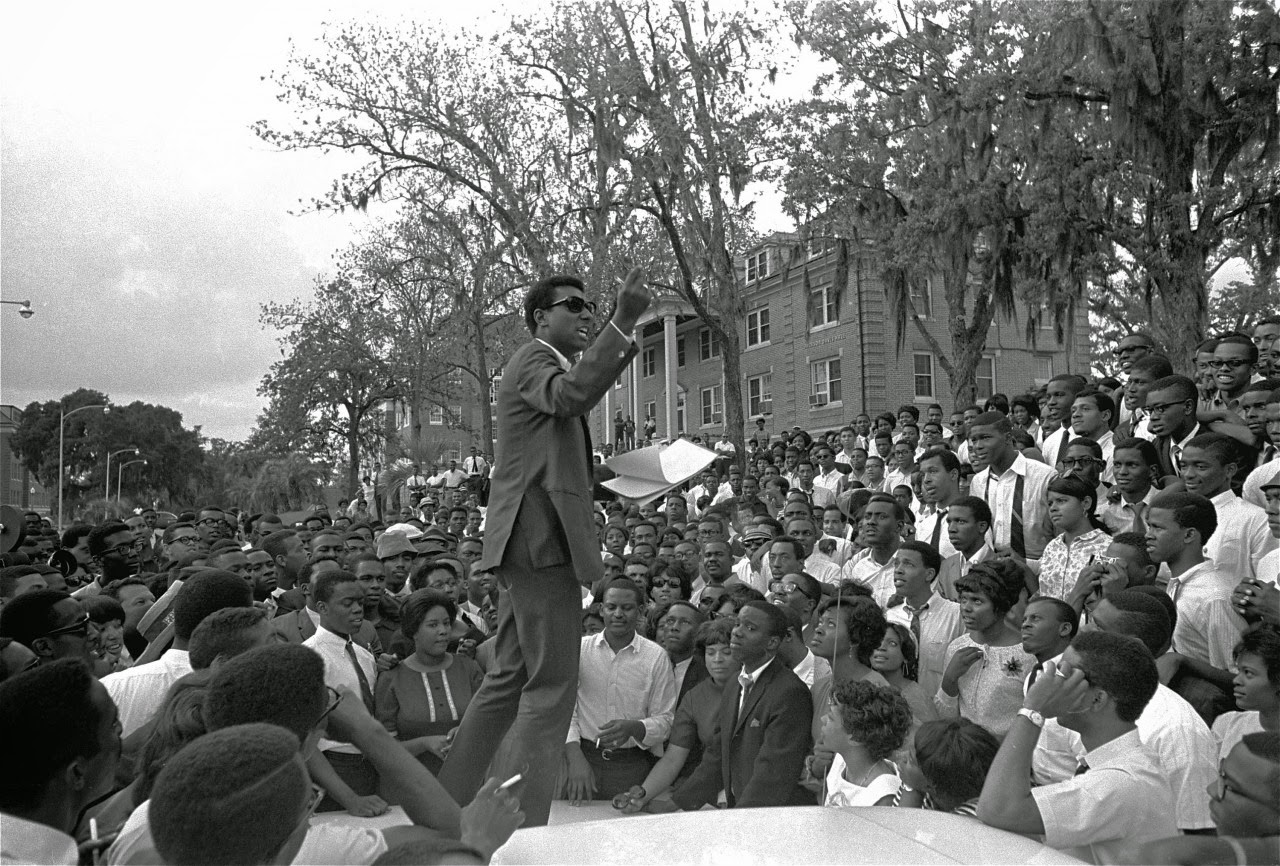
For generations, African-Americans have fought not just for freedom — but for repair.
That means more than civil rights. It means reparations: financial, social, and institutional compensation for centuries of slavery, segregation, violence, and systemic exclusion.
But what do reparations really look like? Who would benefit? Who’s paying — and why is it taking so long?
This article breaks down the debate, the history, and the current fight for reparations in America — and what it could mean for the future of Black communities.
🧱 1. The Foundation of the Claim
The demand for reparations isn’t new. It’s been around for over 150 years, based on:
- Slavery (1619–1865): 246 years of forced, unpaid labor that created enormous wealth for white families and institutions.
- Jim Crow segregation (1865–1965): Legal discrimination, voter suppression, housing exclusion, and violence.
- Mass incarceration & modern inequality: From redlining to police brutality, generational Black poverty is no accident — it was designed.
“We built this country for free. We were never paid.” — Ta-Nehisi Coates
🧾 2. 40 Acres and a Mule — The Broken Promise
In 1865, General Sherman issued Special Field Order No. 15, promising freed slaves 40 acres of land (and sometimes a mule).
- Over 400,000 acres were set aside.
- But after Lincoln’s assassination, President Andrew Johnson reversed the order.
- White landowners got their land back. Black families got nothing.
This broken promise is the root of today’s demand.
⚖️ 3. What Do Reparations Look Like Today?
Reparations aren’t just about cutting checks. Proposals include:
- Direct payments to descendants of enslaved Africans.
- Free college tuition or student loan forgiveness.
- Guaranteed housing programs.
- Business grants or tax credits for Black entrepreneurs.
- Government-funded community investment in Black neighborhoods.
- Formal apologies and truth commissions.
Some advocates say it must be cash. Others push for systemic repair.
📍 4. Local Movements Making It Real
While federal action is stalled, some cities and states are moving ahead:
🟢 Evanston, Illinois
- First U.S. city to pass a reparations law (2021)
- Gave housing grants to Black residents harmed by redlining
🟢 California
- Launched a Reparations Task Force (2020)
- Proposed over $800 billion in compensation (non-binding)
🟢 Asheville, North Carolina
- Approved reparations in the form of community investments, not cash
🟢 San Francisco
- A working group proposed $5 million payments per eligible Black resident
“Reparations are not a handout. They are a debt.” — HR 40 advocate
🏛️ 5. The Federal Debate: HR 40
H.R. 40, the federal reparations study bill (named after “40 acres”), has been introduced in Congress every year since 1989.
- It would create a commission to study and develop proposals for reparations.
- Supported by many Democrats and major Black organizations.
- Opposed by most Republicans and some centrists.
Despite decades of advocacy, the bill has never passed.
💰 6. Who Pays?
That’s a key question in the debate.
Some argue:
- The U.S. federal government, as the enabler of slavery and segregation, must pay.
- Wealthy institutions (universities, churches, corporations) that benefited from slavery should contribute.
- All taxpayers should participate — others say only descendants of slaveowners should pay.
🤔 7. The Arguments Against
Common criticisms include:
- “It’s too expensive”
- “I wasn’t there — why should I pay?”
- “How do we know who qualifies?”
- “Slavery was a long time ago.”
Reparations advocates respond:
“If harm was done and never repaired, the clock doesn’t erase the debt.”
✊🏾 8. Why Reparations Matter
Reparations aren’t just about money. They’re about:
- Acknowledging historical truth
- Breaking cycles of poverty
- Restoring stolen generational wealth
- Rebuilding trust between the state and Black Americans
- Healing from trauma — economically and spiritually
🔮 Final Word: Repair Is Justice
No nation can move forward by burying its past.
Reparations are not just about making things right — they are about building a future where equity is real, not just rhetorical.
“Justice too long delayed is justice denied.” — Dr. Martin Luther King Jr.

