


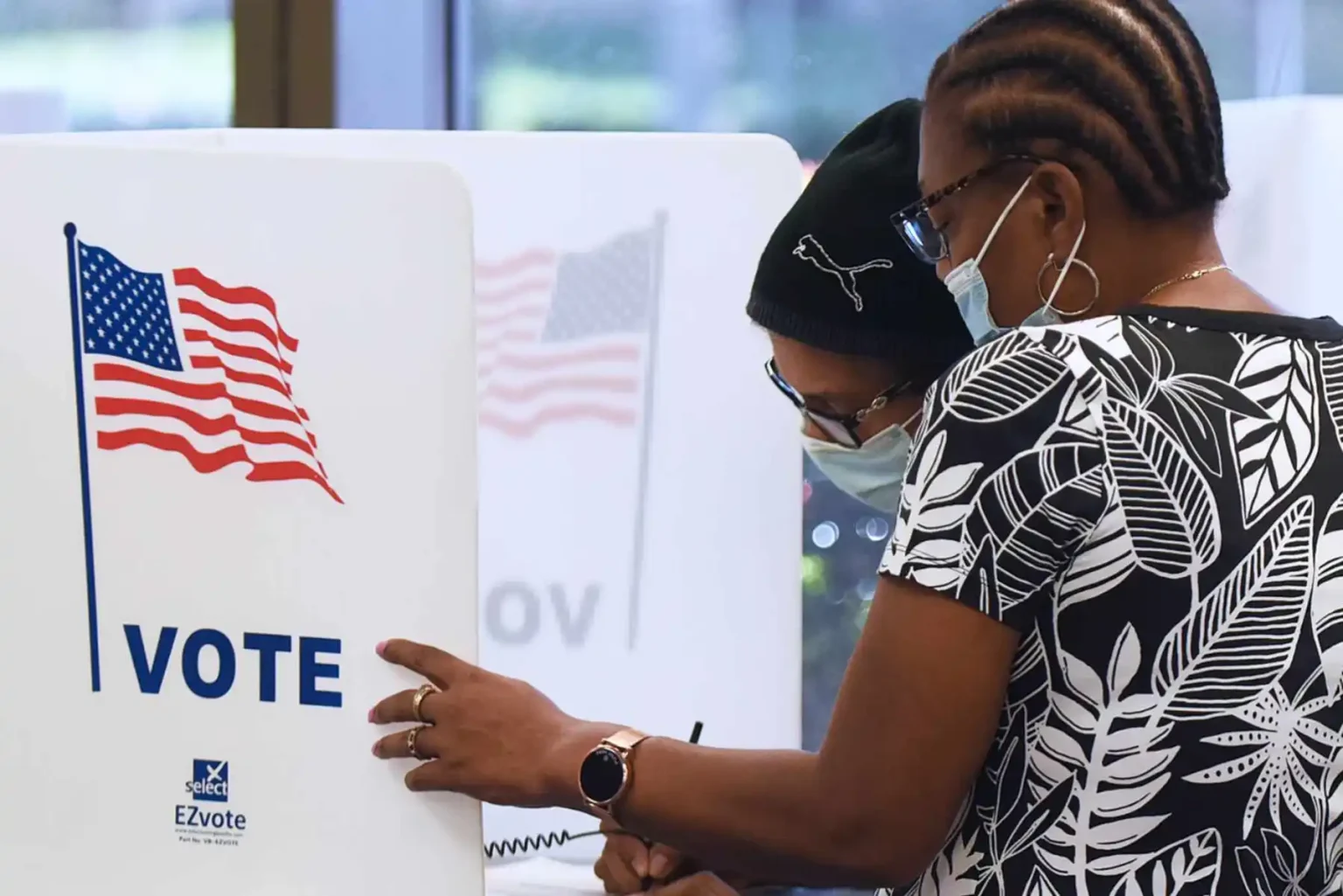
From the cotton fields to the courthouse, African-Americans have fought for the right to vote for over 150 years. That fight is far from over.
The Black vote has shaped presidents, overturned laws, and powered movements. But it has also been targeted, suppressed, and manipulated. Today, voter suppression is once again on the rise — and the Black vote remains one of the most contested forces in American politics.
This article explores the power, history, and future of the Black vote — and why protecting it is essential for justice and democracy.
📜 1. A Brief History of Black Voting Rights
🔗 Post-Civil War Reconstruction (1865–1877)
- 15th Amendment (1870) gave Black men the right to vote (on paper).
- Black politicians were elected across the South.
- Then came Jim Crow laws, poll taxes, literacy tests, and violence.
✊🏾 Civil Rights Era
- 1965 Voting Rights Act outlawed many forms of discrimination.
- Massive voter registration drives led by SNCC, NAACP, and churches.
- Leaders like Fannie Lou Hamer, John Lewis, and Dr. King risked their lives.
“Nobody’s free until everybody’s free.” — Fannie Lou Hamer
🗳️ 2. The Black Vote Today: Numbers & Influence
- Black voters make up ~13% of the U.S. electorate.
- In key swing states (Georgia, Pennsylvania, Michigan), the Black vote is often decisive.
- African-Americans vote overwhelmingly Democratic, with ~85-90% support in most elections.
- Black women have the highest turnout rates of any demographic.
Case studies:
- Barack Obama (2008): record Black turnout
- Doug Jones (Alabama, 2017): won thanks to Black women
- Joe Biden (2020): South Carolina primary + Georgia = victory
⚠️ 3. The Return of Voter Suppression
Since 2013 (after the Supreme Court gutted the Voting Rights Act in Shelby v. Holder), voter suppression laws have exploded.
Common tactics include:
- Voter ID laws that disproportionately impact Black communities
- Closed polling places in Black neighborhoods
- Purging voter rolls without notice
- Limited early voting and mail-in options
- Disinformation campaigns targeting Black voters online
“It’s not that they don’t want us to vote. It’s that they know we will — and we’ll change everything.”
🧠 4. Misinformation and Digital Manipulation
In 2016 and 2020, foreign and domestic disinformation campaigns specifically targeted Black Americans online with:
- Fake news
- Voter discouragement messages (“don’t vote, it won’t change anything”)
- Misleading posts about voting dates or rules
Fighting back requires digital literacy and awareness, especially for younger voters.
📣 5. Black-Led Organizing Makes the Difference
Grassroots efforts have been key in mobilizing the Black vote:
- Stacey Abrams’ Fair Fight
- Black Voters Matter
- NAACP Legal Defense Fund
- When We All Vote (Michelle Obama’s initiative)
- Churches, HBCUs, and barbershops organizing voter drives
These orgs are helping people register, get IDs, fight gerrymandering, and sue states when rights are violated.
👀 6. What’s at Stake?
The Black vote impacts:
- Police reform & criminal justice
- Healthcare access
- Housing and education policy
- Reparations, affirmative action, and economic justice
- Who gets to sit on the Supreme Court
In other words: everything.
🔮 7. The Future: Protecting and Expanding the Vote
What’s needed:
- Restoring the Voting Rights Act (John Lewis Voting Rights Advancement Act)
- Automatic voter registration
- Voting as a federal holiday
- End to partisan gerrymandering
- More young and formerly incarcerated voters participating
“Voting is not the finish line. It’s the starting point.”
🏁 Final Word: Vote Like Your Life Depends On It — Because It Does
The ballot is not just a piece of paper — it’s a weapon, a shield, and a voice.
From Selma to Ferguson to Atlanta, Black people have always known that democracy doesn’t work unless we make it work.
And despite everything — the barriers, the lies, the violence — we still vote.
Because our ancestors couldn’t.
Because our children must.
Because power concedes nothing without a vote.

