


Television is more than entertainment—it’s a stage where identity, culture, and power are broadcast to the world. For Black America, gaining ownership in television has been about more than ratings. It has been about representation, creating opportunities, and telling our stories without filters.
From the first Black-owned station in the 1970s to today’s dynamic cable and streaming platforms, these outlets have been crucial in shaping how we see ourselves—and how the world sees us.
Breaking Barriers: The First Black-Owned TV Stations
- WGPR-TV 62 (Detroit, 1975)
The very first Black-owned television station in the United States. WGPR changed the game by putting Black anchors on prime-time news, showcasing local culture, and training a generation of broadcasters. - WHUT-TV 32 (Washington, D.C., 1980)
Owned by Howard University, WHUT became the first Black-owned public television station. Through PBS programming and original content, it continues to educate, inform, and inspire while giving students hands-on training.
These trailblazers proved that Black ownership in television wasn’t just possible—it was necessary.
Expanding Into Networks
The success of local stations inspired the rise of national Black-owned and Black-led networks:
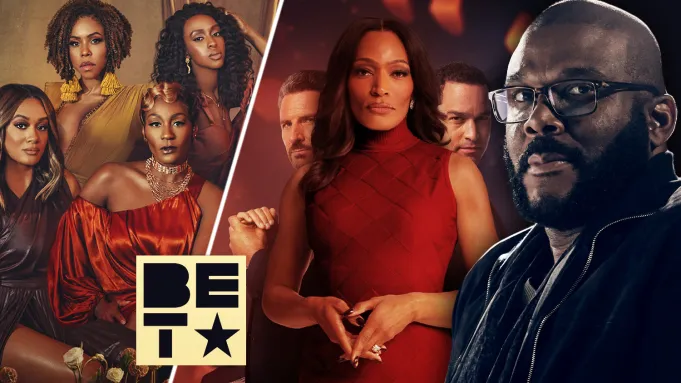
- BET (Black Entertainment Television) – Founded in 1980, BET became a cultural touchstone, putting Black music, news, and entertainment at the center of cable TV.
- TV One & Cleo TV (Urban One) – Launched in 2004 and 2019, these networks focus on family, lifestyle, and millennial culture, all under the largest African American-owned media company in the country.
- Aspire TV – Created in 2012 by Magic Johnson, Aspire showcases Black excellence in film, art, and lifestyle.
- Bounce TV – Since 2011, this has been the first 24/7 multicast network designed specifically for African-American audiences.
- TheGrio TV – Launched in 2021 by Byron Allen, it focuses on news and entertainment through a distinctly Black lens.
- In The Black Network (ITBN) – A new digital streaming platform launched in 2023, bringing community-centered programming to the next generation.
- Stellar TV – Announced in 2022, Stellar is rooted in gospel, culture, and lifestyle, further expanding Black ownership in television.
Why These Networks Matter
Black-owned TV stations and networks are not just media companies—they are cultural institutions. They:
- Create representation where mainstream TV fails.
- Provide training grounds for Black journalists, producers, and creatives.
- Amplify our voices, telling our stories on our own terms.
- Preserve culture by broadcasting history, music, and traditions often ignored elsewhere.
They ensure that when the camera rolls, we are in front of it, behind it, and owning the rights to what is shown.
📌 Explore and Support Black-Owned TV
- WGPR-TV (Detroit) – First Black-owned TV station
- WHUT-TV (Washington, D.C.) – First Black-owned public TV station
- BET – Black Entertainment Television
- TV One & Cleo TV – Urban One Networks
- Aspire TV – Lifestyle and culture channel
- Bounce TV – 24/7 Black multicast network
- TheGrio TV – News and entertainment
- In The Black Network (ITBN) – Digital streaming, Black-centered
- Stellar TV – Gospel and lifestyle network
Final Word
From Detroit’s WGPR to today’s digital platforms, Black-owned television has been about more than airtime—it has been about ownership, dignity, and pride. These stations and networks stand as proof that when we tell our own stories, we don’t just shape TV—we shape culture.
On Afri.us, we celebrate these institutions as part of our ongoing mission: amplifying Black voices, past, present, and future.

