


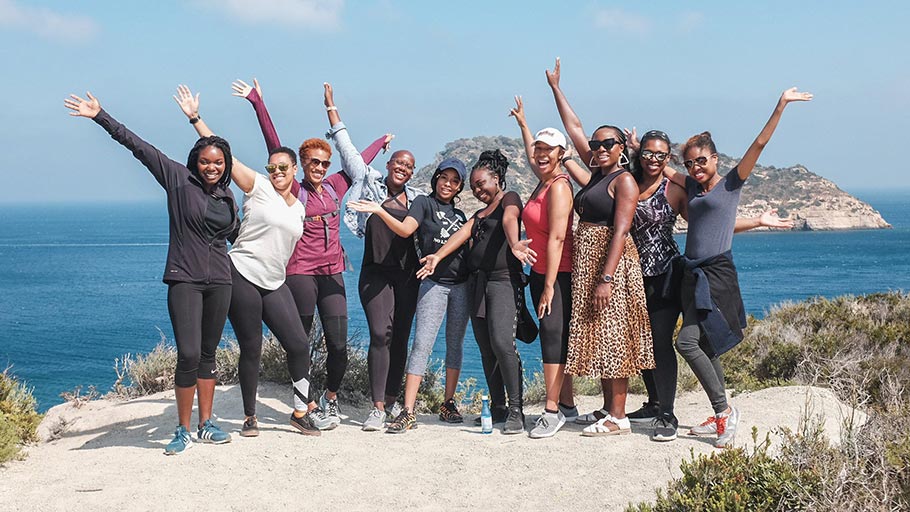
In the past few years, a growing number of African-Americans have packed their bags and left the United States — not just for vacation, but for good.
They call it “Blaxit” — Black Exit.
From Ghana to Costa Rica, South Africa to Portugal, a quiet revolution is underway. Fed up with racism, high costs of living, and political instability, many Black Americans are seeking peace, purpose, and freedom beyond U.S. borders.
This article explores the why, where, and how behind the Blaxit movement — and what it means for the future of the African-American experience.
⚖️ 1. Why Are Black Americans Leaving?
Blaxit is driven by a mix of emotional, economic, and cultural reasons:
🔸 Racial Fatigue
Police violence, daily microaggressions, and systemic racism have left many Black Americans exhausted.
“I just wanted to walk outside and breathe without fear.” — Danielle, Ghana
🔸 Cost of Living
High rent, student debt, and medical bills make it harder to build wealth in the U.S. Some find better opportunities and quality of life abroad.
🔸 Cultural Curiosity & Ancestral Reconnection
Many seek to reconnect with African heritage, learn local languages, and raise children in environments where Blackness is the norm.
🔸 Political Unrest
The 2020s have intensified anxiety about U.S. politics, civil rights rollbacks, and white nationalist resurgence.
🌍 2. Where Are They Going?
🇬🇭 Ghana
- Leading the way with its Year of Return (2019) and Beyond the Return programs
- Citizenship granted to dozens of African-Americans
- Accra is becoming a Black expat hub for entrepreneurs, retirees, and artists
🇿🇦 South Africa
- Cape Town and Johannesburg offer modern amenities, scenic beauty, and cultural depth
- Some report racial dynamics are still complex, but overall freedom feels greater
🇵🇹 Portugal
- Lisbon is a favorite for Black digital nomads
- Safer, affordable, and welcoming — especially for creatives and remote workers
🇨🇷 Costa Rica
- Peaceful, nature-loving lifestyle
- Caribbean coast towns like Puerto Viejo are becoming Blaxit havens
🇲🇽 Mexico
- Cities like Mérida, Mexico City, and Oaxaca are popular for affordability and community-building
- Active Black expat networks and wellness retreats
🇧🇷 Brazil
- Salvador da Bahia is the Afro-Brazilian soul of the country
- Shared history of resistance, samba, and African spirituality
💬 3. Real Voices from the Movement
“In America, I survived. In Ghana, I live.”
— Marcus, former teacher, now runs a school in Accra
“I didn’t leave because I hate the U.S. I left because I love myself.”
— Tanya, yoga instructor in Tulum
“I wanted my kids to grow up somewhere they’re not the ‘other.’”
— Angela, mother of three, now in Portugal
📱 4. Blaxit Online Communities
The movement is organized and amplified by powerful digital communities:
- Blaxit Global
- Expat Life Ghana
- Black in Portugal
- Brothas & Sistas of South Africa
- Nomadness Travel Tribe
- Black Digital Nomads
- African-American Returnees
These platforms offer everything from visa guides and job boards to cultural advice and real estate tips.
🛑 5. The Challenges of Blaxit
Leaving isn’t always easy:
- Visas and residency laws can be complicated
- Language barriers and cultural misunderstandings
- Some diasporans face romanticized expectations of Africa
- Homesickness and lack of social safety nets
But for many, the trade-offs are worth it.
✊🏾 6. What Blaxit Means for the Future
Blaxit doesn’t mean giving up on America — it means expanding the idea of what it means to be Black and free. It’s a movement toward:
- Reclaiming global Black identity
- Decentralizing the Black experience
- Building transnational wealth and community
- Reconnecting with ancestral lands and stories
And it’s only growing.
🧭 Final Word: Freedom Has No Borders
The Blaxit movement is about more than passports — it’s about possibility.
“We are the descendants of the scattered. And we’re choosing to scatter on purpose — this time, in power.”
Whether you choose to stay, visit, or relocate, know this:
You have options. You have roots. You have the right to peace.

