


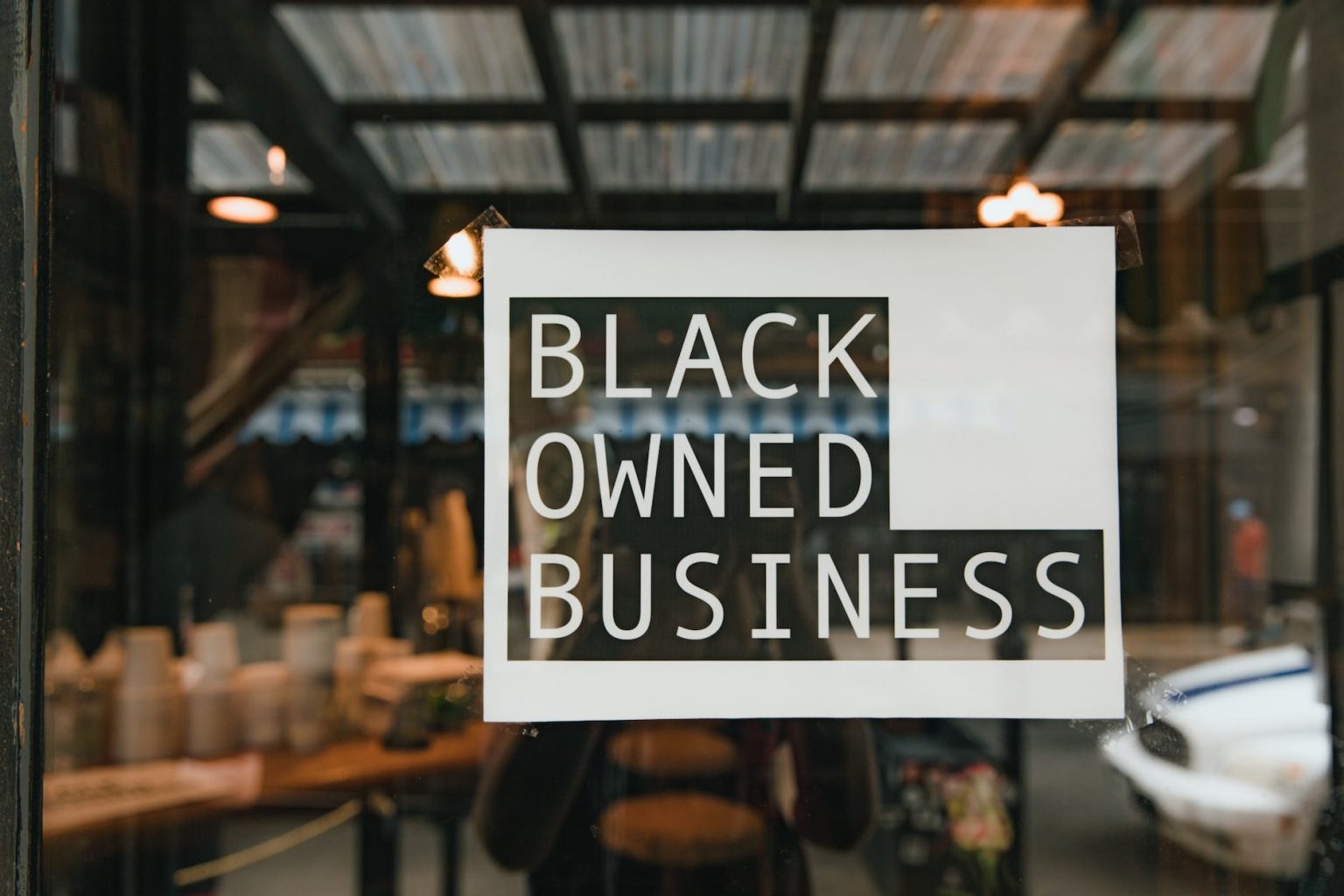
Black-owned businesses are more than just enterprises — they are acts of resistance, resilience, and revival. From barbershops and boutiques to tech startups and million-dollar brands, Black entrepreneurs continue to push forward, even in the face of structural inequality.
This article explores the history, challenges, successes, and future of Black business ownership in the United States — and how building economic power is central to Black liberation.
🖤 1. A Legacy Rooted in Survival
Black entrepreneurship has always existed — even in times of extreme repression.
- Before Emancipation: Enslaved Africans sold goods in markets, made crafts, and provided skilled labor.
- Post-Reconstruction: Black-owned banks, insurance companies, newspapers, and schools flourished.
- Greenwood (Tulsa, OK): Known as “Black Wall Street,” it was one of the most successful Black business districts until it was destroyed in the 1921 massacre.
“Black business wasn’t just about money. It was about community control, pride, and protection.”
📊 2. The Numbers Today
- Over 3.2 million Black-owned businesses in the U.S. as of recent reports.
- Most are sole proprietorships or small-scale operations.
- Black women are the fastest-growing group of entrepreneurs.
- Yet, Black businesses receive less than 2% of venture capital funding in the U.S.
🧱 3. Common Barriers to Success
Despite talent and innovation, Black business owners face:
❌ Limited Access to Capital
- Systemic racism in bank lending
- Fewer connections to investors and networks
- High reliance on personal savings or credit cards
❌ Discrimination & Redlining
- Many Black entrepreneurs operate in underinvested neighborhoods
- Lower property values and business loan denials are still common
❌ Market Visibility
- Black businesses often don’t get featured in mainstream media
- Struggle to access high-traffic retail or tech platforms
🚀 4. The Rise of Black Entrepreneurship
Thanks to technology, community support, and a growing “Buy Black” movement:
- More Black entrepreneurs are starting online stores, apps, and service businesses.
- Social media platforms like Instagram and TikTok allow for direct marketing and community building.
- Pop-ups, festivals, and farmer’s markets create alternative spaces for commerce.
“We’re not waiting for a seat at the table. We’re building our own.”
🌍 5. Black Business and Community Wealth
Black-owned businesses don’t just serve customers — they employ local people, sponsor youth programs, and reinvest in the community.
Economic self-determination is part of the broader fight for:
- Housing justice
- Food security
- Educational opportunities
- Mental health access
Supporting Black business is a form of activism.
🤝 6. Where to Find and Support Black-Owned Businesses
Online Platforms:
- Official Black Wall Street
- WeBuyBlack
- EatOkra (Black-owned restaurants app)
- AfroBiz World
- Support Black Colleges, BLK + GRN, etc.
Local Resources:
- Black chambers of commerce
- HBCU incubators
- Urban League small business programs
💥 7. Notable Black-Owned Brands
Some of the most influential Black-owned brands today include:
- Rihanna’s Fenty Beauty
- Slutty Vegan (Atlanta)
- Telfar (fashion)
- Uncle Nearest Whiskey
- Blavity (media tech)
- CurlMix, The Lip Bar, Partake Foods, and more
These businesses show the range, power, and creativity of Black ownership.
🔮 8. The Future: Building Ecosystems, Not Just Companies
What’s next for Black business?
- Black tech hubs in cities like Atlanta, Detroit, and D.C.
- More collective ownership models, like co-ops and group real estate
- Pan-African business connections with entrepreneurs in Africa and the Caribbean
- Youth entrepreneurship programs to train the next generation
“When we own, we shape the future.”
🏁 Final Word: Buy Black, Build Black, Believe Black
Black businesses are more than a trend — they are a lifeline and a launchpad.
Every dollar spent is a vote for freedom, a tool for justice, and an investment in legacy.
Let’s not just celebrate Black Business Month — let’s make it a way of life.

