


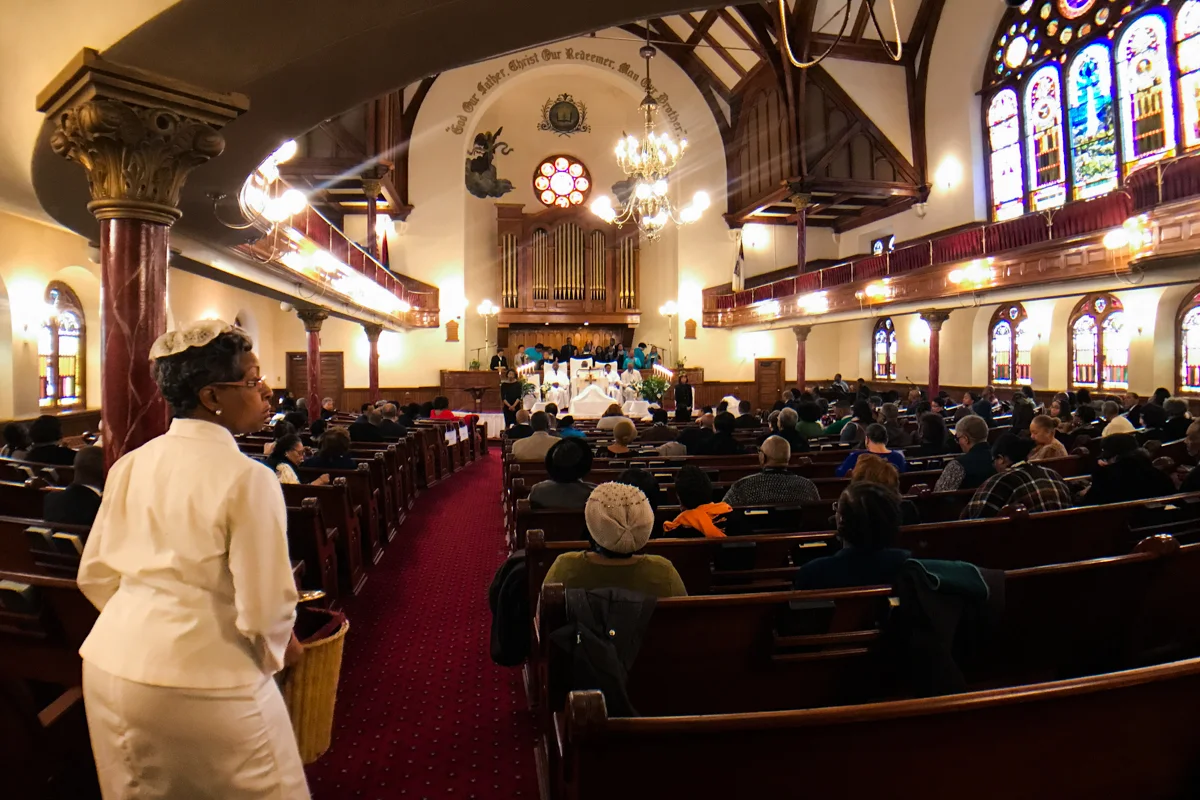
Faith has always been central to the Black experience — a source of hope in slavery, power in protest, and healing in trauma. Across the African diaspora, faith is not just belief — it’s identity, culture, survival, and resistance.
From gospel choirs to Friday prayer, ancestral altars to revival tents, the Black world holds a kaleidoscope of spiritual traditions. This article explores the beauty, diversity, and complexity of Black faith in the U.S. and beyond — including Christianity, Islam, African traditional religions, and the syncretic beliefs that unite them all.
🙏🏾 1. Black Christianity: Rooted in Resistance
The Black church is more than a religious space — it is a cultural institution, a political force, and a spiritual refuge.
- Born in slavery and shaped through freedom, African-American Christianity gave rise to spirituals, abolition, civil rights, and HBCUs.
- Key traditions: Baptist, AME (African Methodist Episcopal), Pentecostal, and Holiness movements.
- Leaders like Martin Luther King Jr., Sojourner Truth, and Fannie Lou Hamer preached a gospel of liberation.
“The Black church was our news, school, sanctuary, and headquarters.”
☪️ 2. Black Islam: From Malcolm to the Masjid
Islam holds a deep — and often overlooked — place in Black American history:
- Up to 30% of enslaved Africans brought to the Americas were Muslim.
- The Nation of Islam, founded in 1930, sparked a movement for Black dignity, discipline, and self-determination.
- Sunni Islam, Sufism, and Moorish Science Temple continue to shape spiritual life among African-Americans.
Prominent figures: Malcolm X, Muhammad Ali, Imam W.D. Mohammed
Today, Black Muslims in America are often bridge-builders between African heritage and global Islam.
“Islam gave me back my name, my direction, and my crown.” — Aliyah, convert from Detroit
🧿 3. African Traditional Religions: Reclaiming the Sacred
From Nigeria to Haiti, Cuba to South Carolina, African religions survived centuries of colonization and erasure. Today, they are rising again with pride:
- Yoruba (Ifá / Orisha worship)
- Vodou (Haiti)
- Candomblé (Brazil)
- Obeah (Jamaica)
- Gullah-Geechee rootwork (U.S. South)
Practices often include ancestor veneration, spirit possession, ritual dance, herbal medicine, and divination. Many are reclaiming these traditions as a way to reconnect with pre-colonial African spirituality.
“Christianity was taught to me. Ifá was born in me.” — Kofi, Atlanta
🕊️ 4. Syncretism: Where Traditions Blend
Many diaspora faiths mix African, Christian, and Indigenous elements, forming powerful hybrid systems:
- Santería (Cuba) – Blends Orisha worship with Catholic saints
- Vodou – A blend of West African religion and Catholic iconography
- Black Catholicism – Deep roots in New Orleans, Haiti, and Congo-based rituals
- Spiritual Churches – Mix of Christianity, mediumship, and West African belief systems
These blends reflect creativity, resilience, and ancestral memory.
📸 5. Diaspora Faith in Daily Life
Across the diaspora, faith shows up in:
- Music: From gospel to Afrobeat, spirituality is everywhere.
- Food rituals: Ancestor offerings, halal meals, fasting, and feasts.
- Rites of passage: Baby dedications, naming ceremonies, coming-of-age rituals, initiation.
- Fashion: Headwraps, prayer beads, sacred jewelry, all carry meaning.
Spirituality isn’t only in temples and churches — it’s in how we live, speak, dress, and gather.
✊🏾 6. Faith as Liberation
Black faith has always been tied to justice:
- Enslaved people used coded Bible stories to fuel rebellion.
- The Black church led the Civil Rights Movement.
- Black Muslims built schools, businesses, and security for marginalized communities.
- African traditionalists reclaim the sacredness of Black identity itself.
Today, faith remains a pillar of protest and peace.
🧠 7. Younger Generations: Deconstructing, Rebuilding, Reclaiming
Millennials and Gen Z are:
- Leaving traditional churches but embracing spirituality
- Exploring ancestral religions and decolonized faith practices
- Building online communities for queer Black spirituality, mental health, and interfaith dialogue
Faith is becoming more fluid, personal, and Pan-African.
🧎🏾 Final Word: One People, Many Paths
There is no single way to be Black and spiritual.
Some call Jesus. Some call Allah. Some call Ogun, Oshun, or the ancestors.
But in all forms, Black faith is rooted in love, legacy, and liberation.
We have prayed in chains. We have danced in freedom. And we’re still rising — spirit first.

