


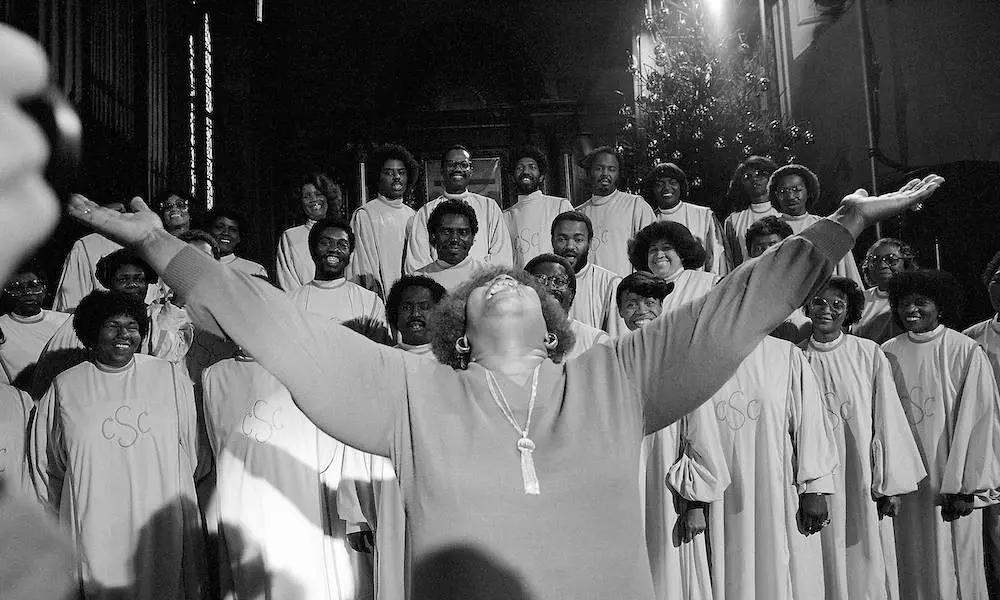
Black music is the heartbeat of the world.
From the spirituals sung by enslaved Africans to the global rise of Afrobeats, Black people have always turned rhythm into resistance, pain into poetry, and culture into currency. Across continents, generations, and genres, Black music tells a story of connection — between Africa and its diaspora, between history and the future, between body and spirit.
Let’s trace the musical journey of the African world — and how gospel, jazz, reggae, hip-hop, and Afrobeats are all branches of the same mighty tree.
🕊️ 1. Spirituals & Gospel: Songs of Survival and Hope
It started with the moans, chants, and coded messages of the enslaved — “Wade in the Water,” “Swing Low, Sweet Chariot.” These spirituals became a foundation for:
- Gospel music, deeply rooted in African rhythm and call-and-response
- A vehicle for faith, healing, and resistance
- The vocal powerhouse behind the Civil Rights Movement (see: Mahalia Jackson, Sam Cooke)
🎷 2. Jazz & Blues: Born from Pain, Built with Genius
In the Deep South, sorrow became blues. Improvisation, soul, and syncopation gave birth to jazz.
- Think Louis Armstrong, Ella Fitzgerald, John Coltrane, Billie Holiday
- Jazz became the language of Black creativity and protest, influencing everything from classical music to hip-hop
It told the world: Black people are not only survivors — we are innovators.
🎶 3. Reggae, Dancehall, and Afro-Caribbean Vibes
Across the Atlantic, in the Caribbean, African musical traditions blended with local flavors:
- Reggae: Conscious lyrics and slow grooves (Bob Marley, Peter Tosh)
- Soca & Calypso: Joyful, Carnival-driven energy (Machel Montano)
- Dancehall: Raw, bass-heavy storytelling (Shabba Ranks, Vybz Kartel)
These genres became the voice of Black island identity and resistance.
🎧 4. Hip-Hop: The Global Megaphone of the Diaspora
From the Bronx to Johannesburg, hip-hop is now a global language of the Black experience.
- Born in the 1970s, it fused African drum patterns with street poetry
- Early legends: Grandmaster Flash, Run-DMC, Rakim
- Today: Kendrick, J. Cole, Megan, Burna Boy, Sarkodie
Hip-hop became the bridge connecting the Bronx to Accra, Compton to Kingston.
🌍 5. Afrobeats: Africa Takes the Global Stage
In the 2010s, a new wave exploded from West Africa — a sound that blended highlife, Fuji, hip-hop, and pop. Afrobeats became the world’s new favorite beat.
- Wizkid, Davido, Burna Boy, Tems, Asake
- Global hits like “Essence,” “Last Last,” “Calm Down”
- Lyrics in English, Yoruba, Pidgin, and Twi — all African and proud
Afrobeats doesn’t ask for a seat at the table. It builds its own dancefloor.
🌀 6. The Cycle Continues: Crossovers & Collabs
Black music today is deeply Pan-African:
- Beyoncé’s Black Is King fused Southern roots with African symbolism
- Drake samples Nigerian slang and Caribbean riddims
- African-American artists collaborate with African and Caribbean stars like Rema, Shenseea, Stonebwoy, Tiwa Savage
It’s not cultural exchange — it’s cultural reunion.
🧠 7. Music as Memory and Movement
Black music is never just entertainment. It is:
- Oral history: passing down wisdom, pain, dreams
- Political resistance: from Public Enemy to Fela Kuti
- Spiritual technology: healing, grounding, exalting
Wherever the beat goes, Black people go with purpose.
✊🏾 Final Word: We Are the Rhythm of the World
From gospel pews to Afrobeats festivals, Black music is a global force — a sound born of struggle, shaped by love, and driven by fire.
We didn’t just create music. We created movement.
Let the world dance — but never forget who laid the foundation.

