


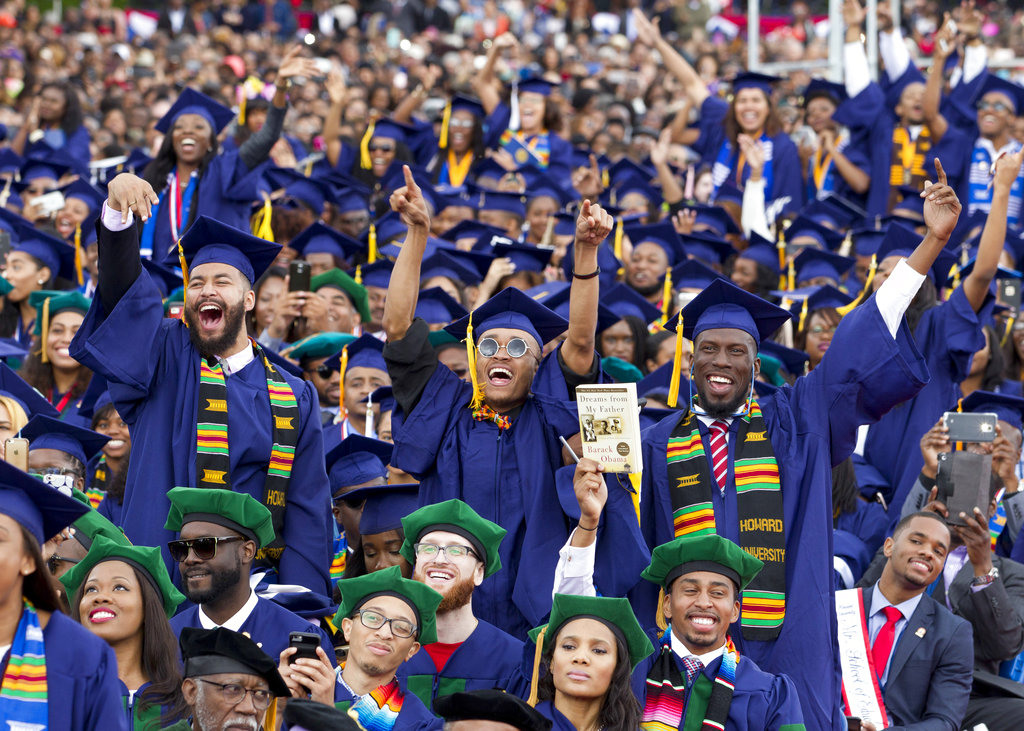
For generations, Historically Black Colleges and Universities (HBCUs) have been pillars of Black education, culture, and leadership in the United States. From producing groundbreaking scholars to nurturing civil rights icons, HBCUs have empowered African-Americans in ways that mainstream institutions often failed to.
Today, they remain vibrant hubs of learning, pride, and progress — but they also face major challenges in funding, visibility, and survival.
This article dives into the powerful legacy of HBCUs, why they still matter today, and how they are shaping the future of the African-American experience.
🏛️ 1. What Are HBCUs?
HBCUs are institutions of higher learning established before 1964 with the principal mission of educating Black Americans, who were often excluded from white colleges and universities.
There are currently:
- Over 100 HBCUs in the U.S.
- Serving over 228,000 students, with about 70% of them being Black
Notable schools include:
- Howard University (Washington, D.C.)
- Spelman College (Atlanta, GA)
- Morehouse College (Atlanta, GA)
- Florida A&M University
- North Carolina A&T State University
- Tuskegee University
📜 2. The Origins: Education Against the Odds
Founded in the 1800s, often by missionaries, freedmen, or Black leaders, HBCUs began in an era when:
- Slavery had just ended
- Segregation and white violence were at their peak
- Many Black students were taught in church basements or makeshift schools
HBCUs provided:
- Basic literacy
- Teacher training
- Professional degrees for doctors, lawyers, and preachers
These institutions became beacons of hope and defiance.
🌟 3. Famous HBCU Alumni
HBCUs have produced some of the most influential Black figures in U.S. history, including:
- Dr. Martin Luther King Jr. (Morehouse College)
- Vice President Kamala Harris (Howard University)
- Toni Morrison (Howard University)
- Thurgood Marshall (Lincoln University, Howard Law)
- Oprah Winfrey (Tennessee State University)
- Spike Lee, Taraji P. Henson, W.E.B. Du Bois, and many more
These schools have shaped leaders in politics, science, arts, activism, and business.
🧬 4. Why HBCUs Still Matter
Even in a post-segregation world, HBCUs offer:
- A safe, affirming space for Black students to thrive
- Curricula that center Black history, culture, and global perspectives
- Strong alumni networks and mentorship
- Pathways for first-generation college students
Studies show HBCUs outperform predominantly white institutions in graduating Black students in STEM, law, and medicine.
“HBCUs don’t just teach — they transform.”
💰 5. Challenges They Face
Despite their success, HBCUs often struggle with:
- Underfunding from federal and state governments
- Lower endowments than white institutions
- Aging infrastructure
- Competition from larger, well-resourced universities
- Negative stereotypes in the media
In recent years, efforts have increased to support, fund, and elevate HBCUs, including donations from major philanthropists and corporations.
📈 6. The Renaissance: A New Era for HBCUs?
Thanks to a renewed focus on racial equity and the global spotlight on Black lives:
- Applications to HBCUs are on the rise
- Celebrities and athletes are choosing HBCUs over PWIs
- Corporate partnerships are growing (e.g., Apple, Google, NBA)
- Online HBCU programs are reaching wider audiences
“The world is finally recognizing what we’ve known: HBCUs are national treasures.”
🛠️ 7. Building the Future of Black Education
To thrive long-term, HBCUs need:
- More funding and fair federal investment
- Student loan relief for their graduates
- Upgraded facilities and technology
- Global exchange programs with Africa and the diaspora
- Stronger pipelines to entrepreneurship and tech careers
✊🏾 Final Word: More Than a School — A Movement
HBCUs are not relics of the past — they are living, breathing institutions of Black brilliance.
They have weathered storms and shaped legacies. They continue to educate, uplift, and empower. And as the world changes, they remain a cornerstone of the Black future.
“When you invest in HBCUs, you invest in the heartbeat of Black America.”

