


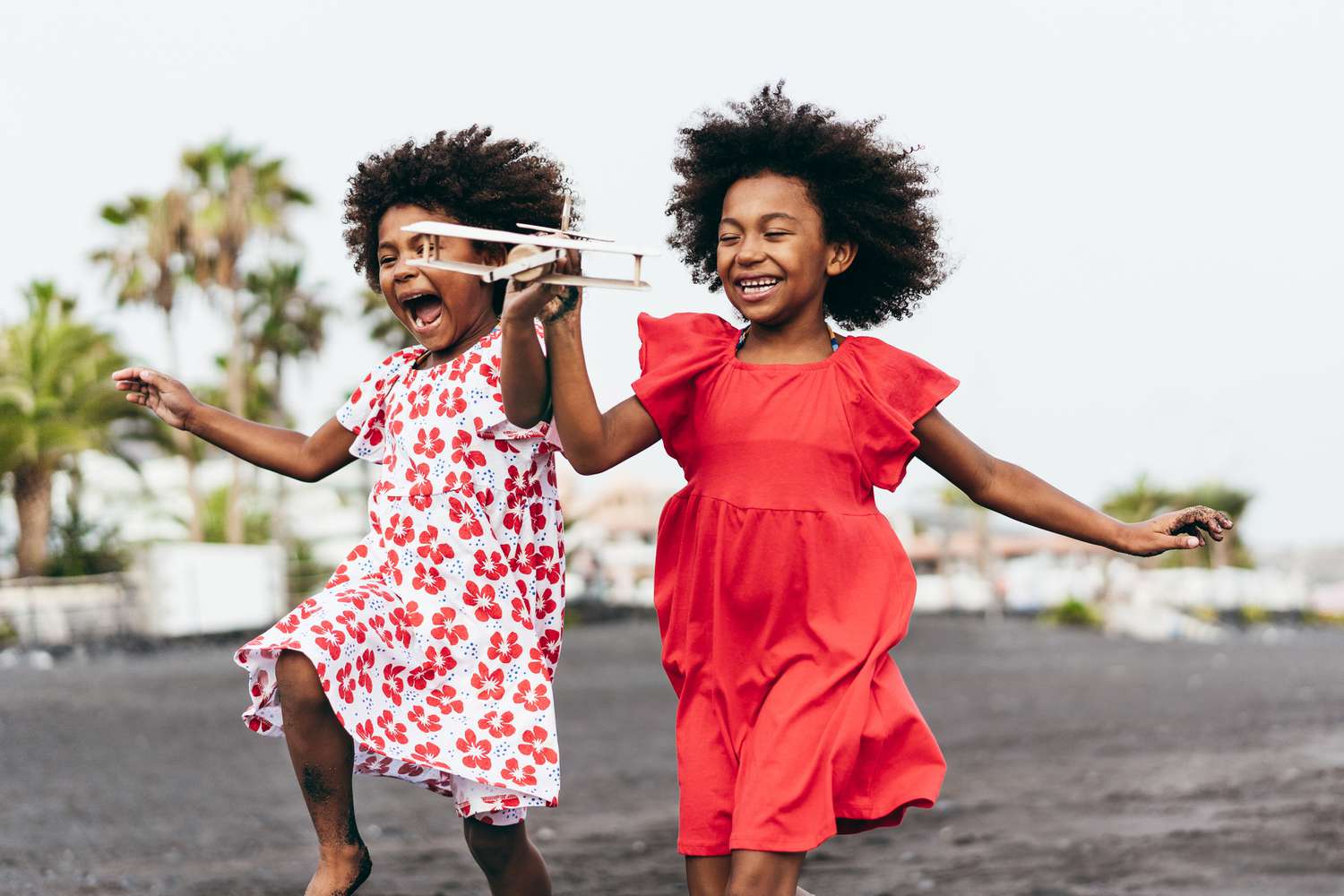
For parents of African descent in the United States — whether African-American, African immigrant, or Afro-Caribbean — raising children often means navigating two (or more) worlds at once.
How do you teach your child to love their African heritage while growing up in an American society that may not always value it? How do you balance language, culture, and belonging?
This is a guide for families raising dual-heritage children — full of practical advice, cultural pride, and deep love.
🧬 1. Dual Heritage: A Blessing, Not a Burden
Being both African and American is a superpower — not a contradiction. Your child may speak English and Twi. Celebrate Juneteenth and Independence Day. Listen to Burna Boy and Beyoncé. And that’s beautiful.
Instead of choosing one identity over the other, teach them to say:
“I’m both. I’m more.”
🏠 2. Build Cultural Roots at Home
Culture begins at the dinner table and bedtime stories. Here’s how to make heritage part of daily life:
- Name with purpose: Choose names that reflect cultural meaning, or explain the legacy behind their name.
- Language exposure: Speak a native language at home if possible. Even small phrases matter.
- Storytelling: Share African folktales and family history. Let them know where they come from.
- Food and music: Cook traditional dishes. Play African beats, gospel, and old-school hip-hop.
Children learn identity through daily rituals, not just one-time lessons.
🧠 3. Answering the Tough Questions
Sooner or later, kids will ask:
- “Why do people make fun of African names?”
- “Why is my skin darker than my friend’s?”
- “Am I American or African?”
Be honest, but empowering.
Tell them:
“You’re from greatness. From people who survived ships and built nations. From people who ruled kingdoms and created languages. You’re not just part of the story — you are the story.”
🏫 4. Schools and Representation
In schools, dual-heritage kids may feel invisible or misunderstood. Here’s what you can do:
- Push for inclusive curriculums: Request books and history lessons that reflect the African diaspora.
- Support Black teachers and administrators: Representation matters.
- Talk about racism early: Equip your child with words, confidence, and strategies to deal with bias.
Also, let them see themselves in excellence — scientists, writers, athletes, artists, presidents — who look like them.
🫶🏾 5. Build Community for Your Children
Kids need mirrors and windows:
- Mirrors to see themselves reflected.
- Windows to see others and feel empathy.
Join:
- African cultural groups and dance troupes
- African-American storytelling festivals or Juneteenth events
- Pan-African parenting forums or online communities
Let your child know they belong — to many tribes.
✊🏿 6. Pride Without Borders
Your child might not “fit” into any box neatly. That’s okay. Help them create their own definition of Blackness — one that’s powerful, loving, and borderless.
They can say:
“I am Ghanaian-American.”
“I’m a Black kid who speaks three languages.”
“I eat fufu and celebrate Kwanzaa.”
“I am diaspora.”
❤️ Final Word: You’re Doing Sacred Work
Raising a dual-heritage child isn’t always easy — but it’s sacred. You’re raising bridge-builders, storytellers, and global citizens. You’re raising a generation that will make the African diaspora stronger than ever.
“My roots stretch across oceans. My story speaks many tongues.
I am made of memory — and possibility.”

