


“To know where you’re going, you must know where you came from.” — African Proverb
For many African-Americans, the story of their ancestry was shattered by the transatlantic slave trade. But today, thanks to cultural reconnection, DNA technology, and growing Pan-African unity, a new chapter is being written — one that begins with a journey back home.
This is your guide to rediscovering your African roots and reconnecting with the continent of your ancestors.
🌍 1. Understanding the Importance of Reconnection
Reconnecting with Africa isn’t just about tracing lineage — it’s about healing, reclaiming lost heritage, and rebuilding cultural bridges. For generations of Black Americans, Africa was portrayed as “foreign” or “lost.” But today, millions are embracing the continent as home, rich in culture, strength, and pride.
Whether you’re seeking identity, community, or a deeper spiritual connection, this journey can be life-changing.
🧬 2. Start with DNA Testing (But Don’t Stop There)
Commercial DNA tests like African Ancestry, 23andMe, and AncestryDNA can give you a general picture of your roots. You might find ties to the Yoruba of Nigeria, the Mende of Sierra Leone, or the Akan of Ghana. These results can open the door — but remember:
- DNA is a starting point, not the whole story.
- Culture is not only inherited — it’s also embraced.
- Use DNA insights to guide further research or travel.
🛫 3. Explore Return Programs & Heritage Tours
Several African nations have launched initiatives to welcome descendants of enslaved Africans:
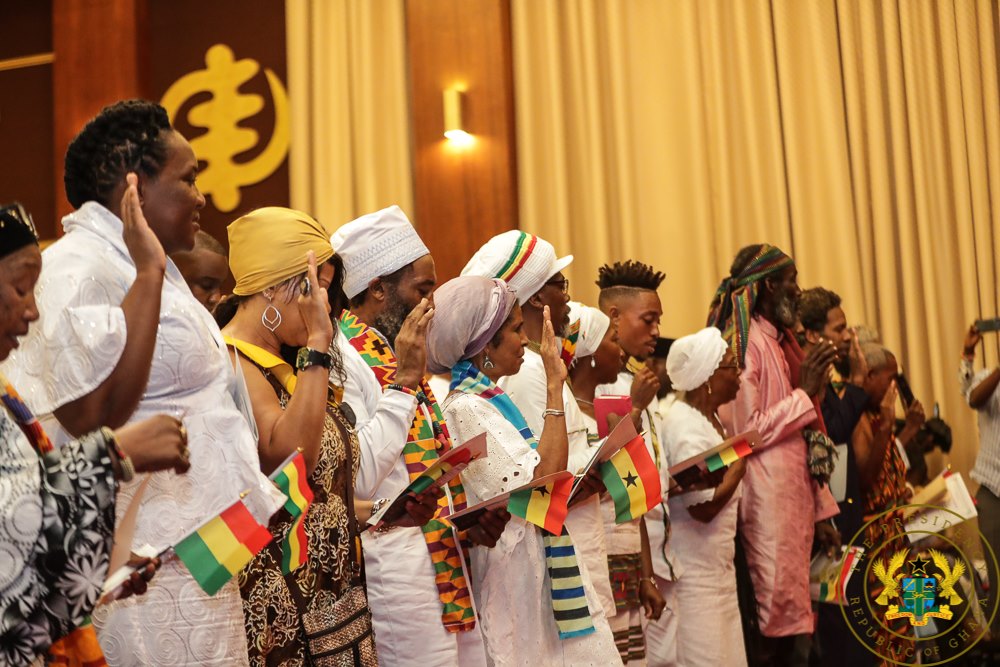
- Ghana’s Year of Return (2019) and Beyond the Return continue to invite the diaspora.
- Sierra Leone and Benin have also offered symbolic citizenship or guided return experiences.
- Senegal, Nigeria, and Gambia host cultural festivals celebrating diaspora identity.
Traveling to the continent lets you experience languages, music, religion, cuisine, and family structures that echo your ancestry — even if you don’t know the exact village.
🏠 4. Dual Citizenship & Diaspora Rights
Some African countries are beginning to recognize the descendants of enslaved Africans as part of their extended nation. Consider:
- Ghana has granted citizenship to dozens of African-Americans.
- Sierra Leone offers citizenship to those with verified DNA links to the country.
- Pan-African advocates are pushing for a “Right of Return” policy continent-wide.
This is more than symbolic — it’s political and personal. It means being part of the future of Africa.
🤝 5. Building Cultural Bridges
You don’t have to move to Africa to reconnect. Here are ways to build meaningful relationships from the U.S.:
- Join diaspora organizations or Pan-African groups.
- Support African businesses, authors, and media.
- Celebrate African holidays like Kwame Nkrumah Day (Ghana) or Independence Days.
- Learn an African language like Swahili, Yoruba, or Twi.
- Enroll in online classes about African history and philosophy.
💬 6. Voices from the Diaspora
“I touched down in Accra and just cried. It was like I could finally exhale.”
— Nia, African-American artist, Ghana returnee
“They welcomed me home — not as a tourist, but as family. That changed everything.”
— Marcus, teacher, Sierra Leone citizen by ancestry
✊🏽 7. You Belong
Africa is not a mystery or a myth — it’s your origin. Reclaiming your heritage is not about erasing your American experience, but enriching it. You’re part of a vast story of resilience, creativity, and greatness.
Whether you’re lighting a candle in remembrance or stepping onto African soil for the first time, know this:
You are not returning as a stranger.
You are coming home.

